I don't paint flowers — I paint a state of mind.
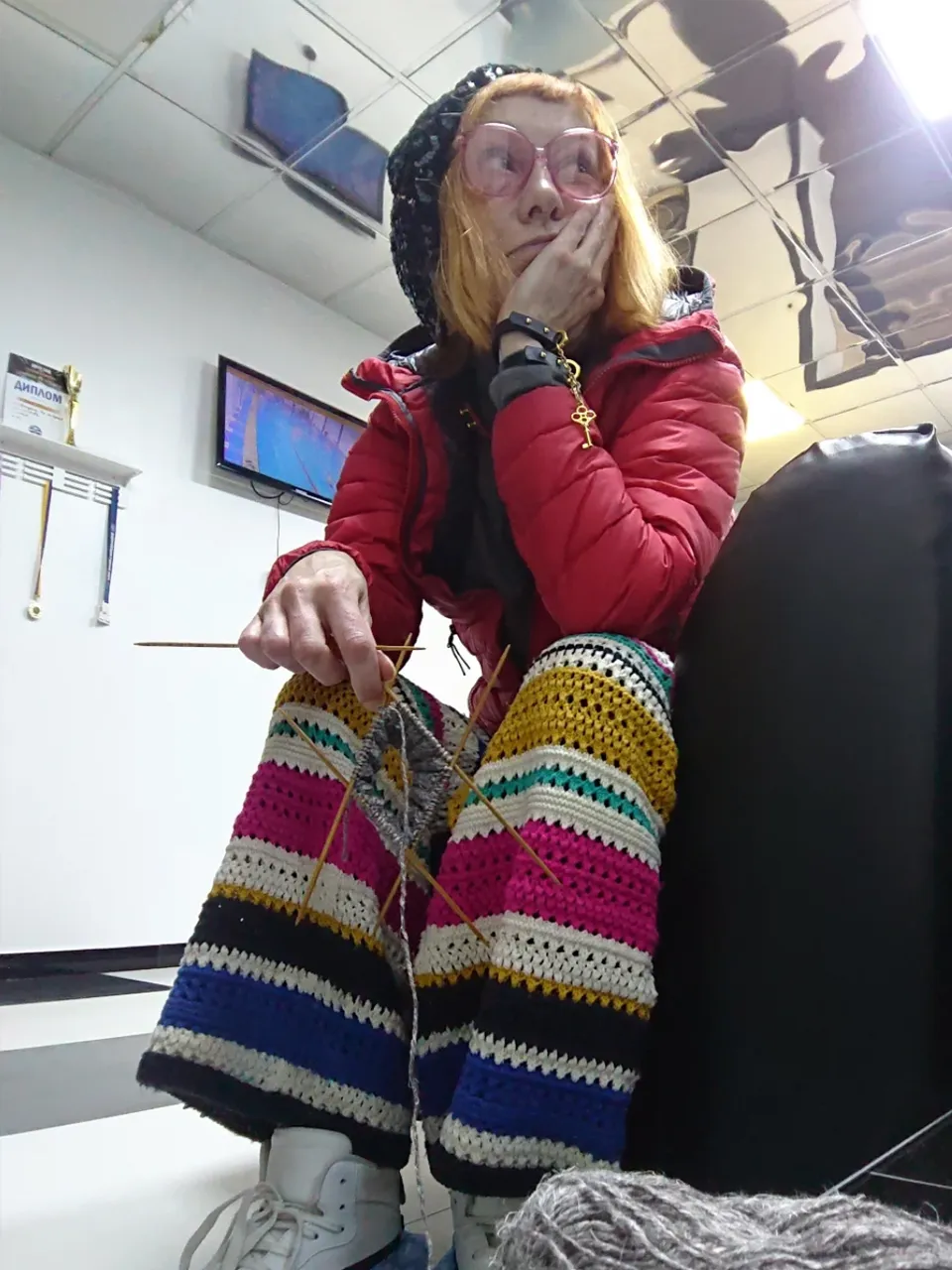
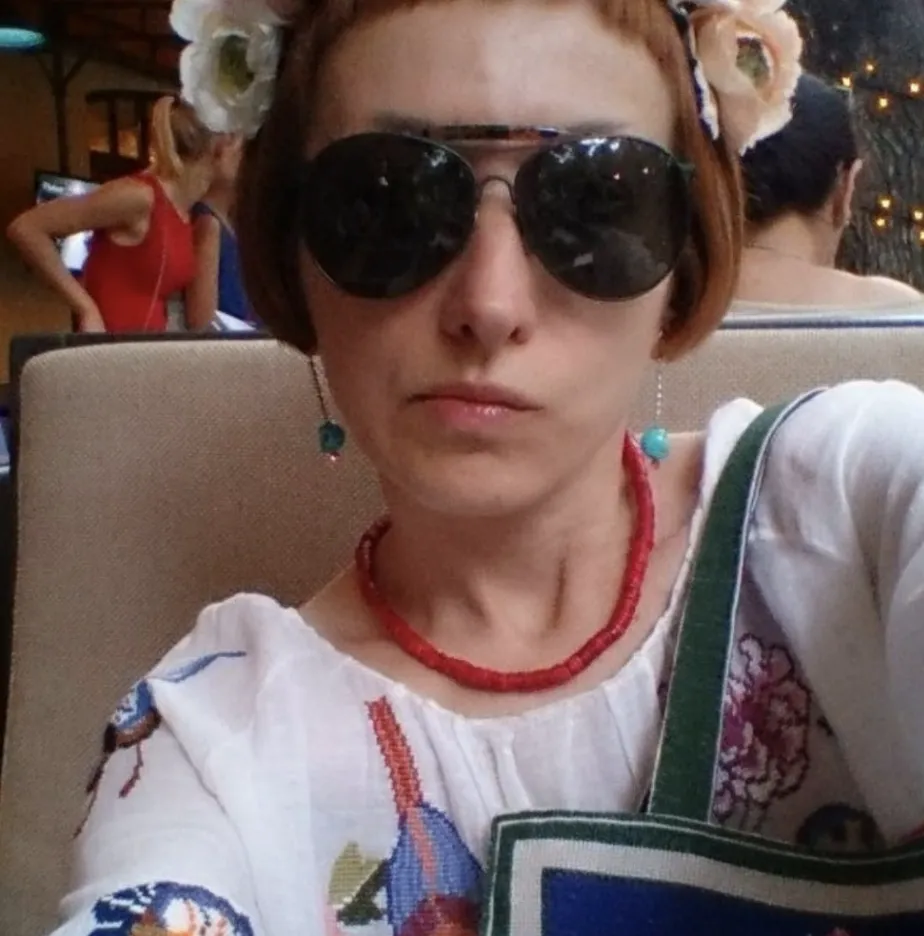
She grew up between paints and images—and eventually became an image herself. Lera Fokina was born in 1972 in Potsdam, but she came into her own as an artist in Odessa, where she graduated from the Grekov Art School (1993) and studied at the International Academy of Arts. Over the years, Lera has evolved into a multi-faceted artist: her arsenal includes not only painting but also photography, installations, and micro-performances. Her work is a constant interplay of passion and nuance. Fokina’s pieces are vibrant, sometimes theatrical, occasionally provocative, but always fueled by an internal impulse. Analyzing Lera Fokina's painting style, we have concluded that her work fits organically into the Pop Art aesthetic. Her canvases convey an ironic attitude toward everyday life, expressive coloring, and simplified yet emotionally charged forms—everything that aligns her with the tradition started by Andy Warhol, Roy Lichtenstein, and Richard Hamilton. Pop Art has always sought to blur the lines between "high" and "mass" art, turning the mundane into the iconic. For Lera Fokina, this is expressed in a bold blend of personal imagery, glamorous irony, and the plasticity of body and color, where every detail feels like a quote from modern culture. Her painting doesn't just speak the language of Pop Art—it lives within it, making the style more feminine, sensual, and sincere. An Odessa Times article once noted that Lera’s life itself is synonymous with art: her public persona—with a cigarette, in clubs, in striking outfits—is designed to "catch one off guard." But her paintings are more than just a reflection of that image; they feed on it, transform it, and turn it inward. The theme of this interview is not words, but visuality. We invited Lera to answer using her existing paintings—letting her own work become the conversation. Through her canvases, the reader will learn about modern challenges, her feelings toward Ukraine, her attitude toward art today, and that strange but essential element—her image, which is always present. What follows are 12 questions; let each canvas be the artist's voice.