Artistic programming: how to turn chaos into the art of living
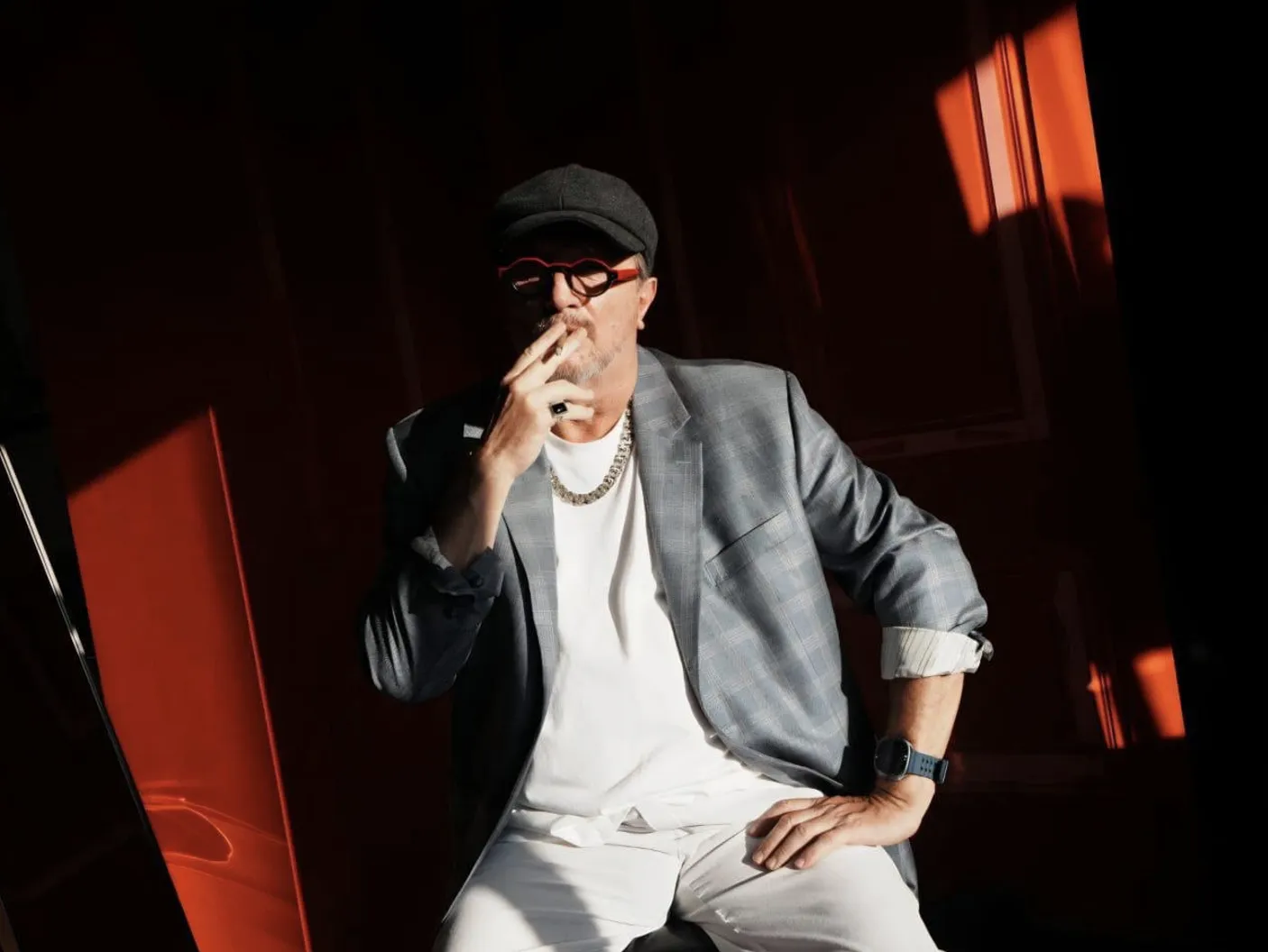
Vladimir Mukhin
"The mind seeks form.
The soul finds content.
And only together do they write the book of life."
The soul finds content.
And only together do they write the book of life."
These words mark the beginning of the book "Artistic Programming"—an extraordinary work that stands at the intersection of philosophy, art, and psychology.
Its author, Volodymyr Mukhin, is a physician and an artist who has spent many years searching for ways to help people not only heal their bodies but also find meaning, an inner core, and a source of joy in life itself.
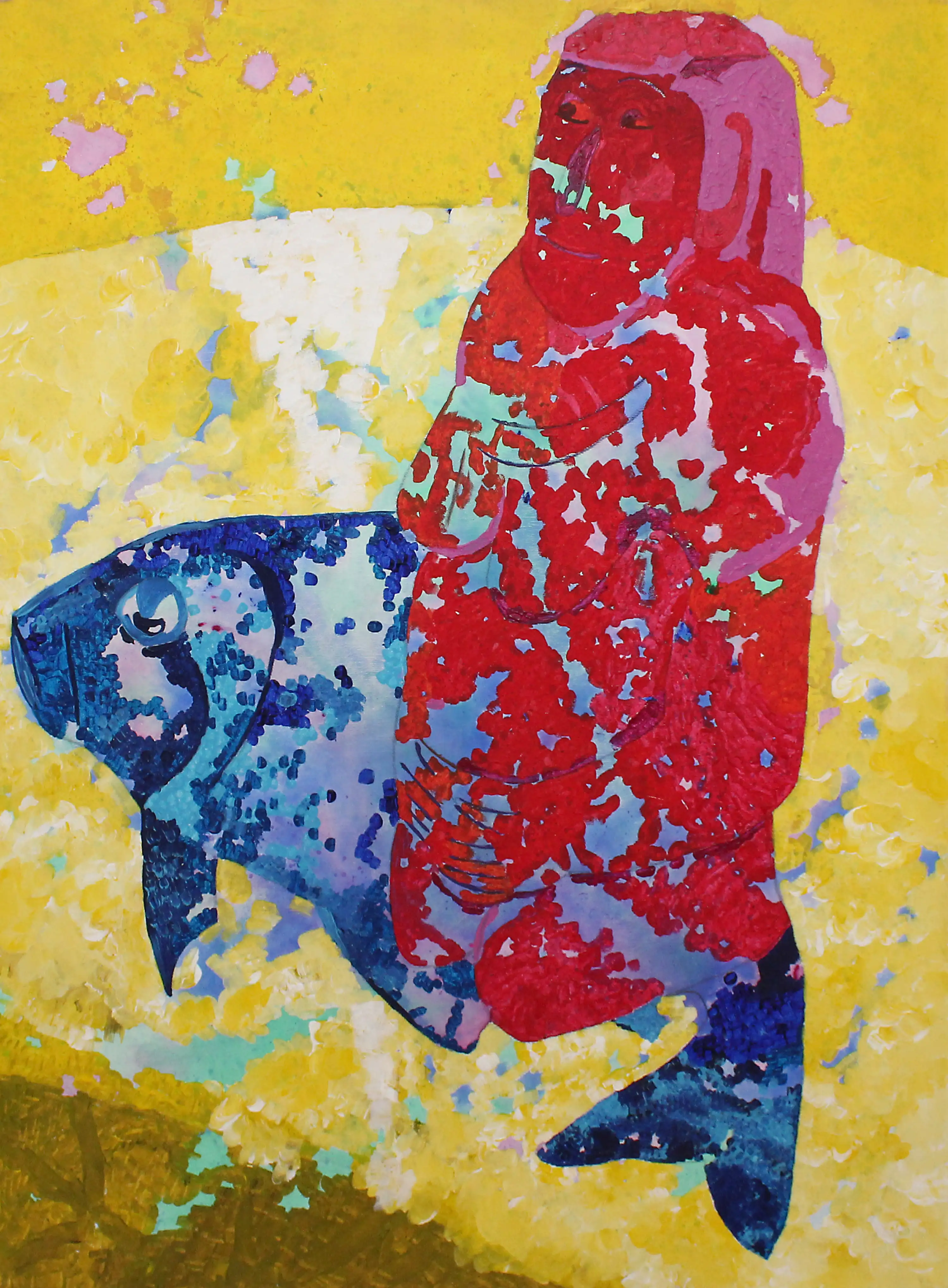
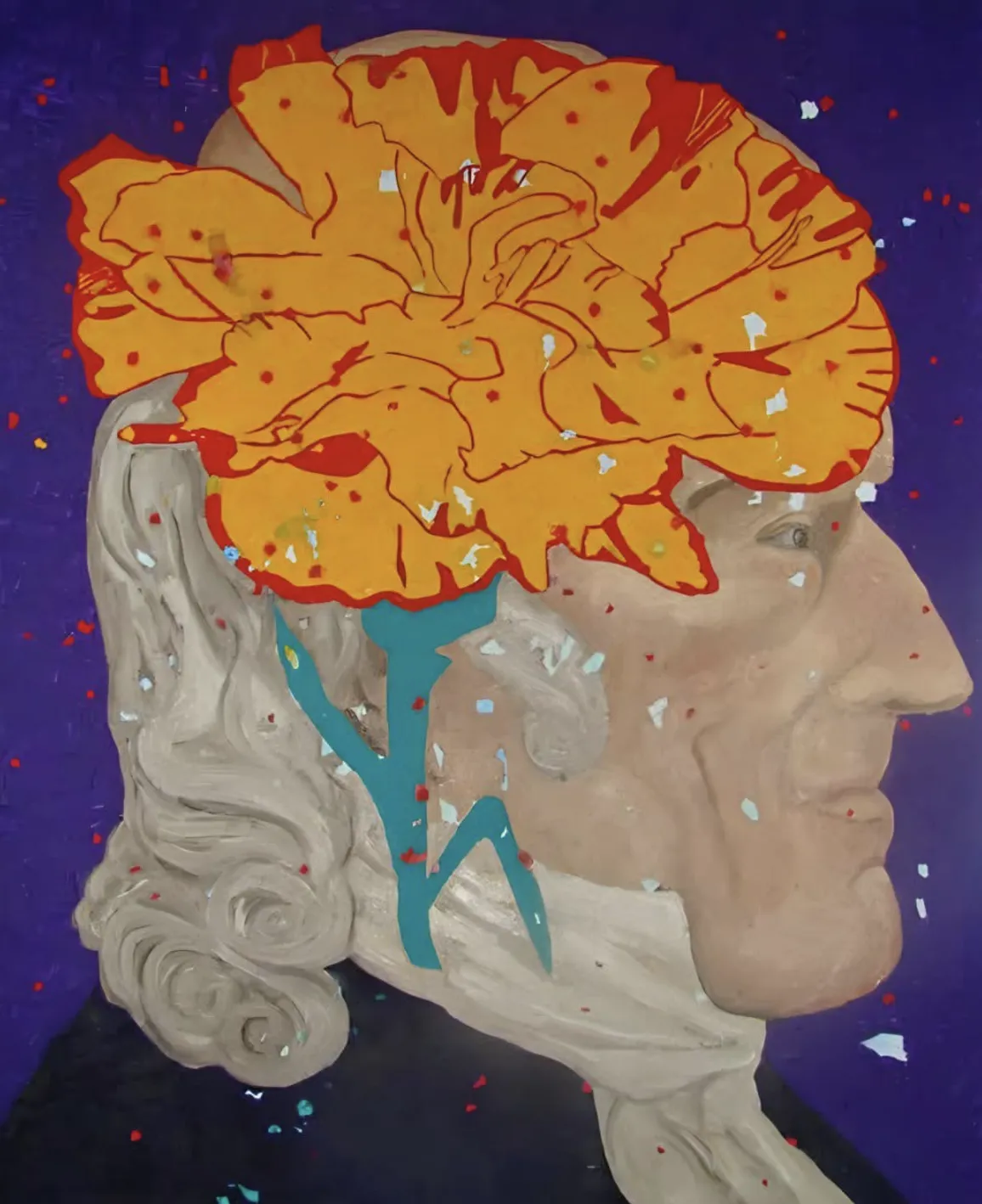
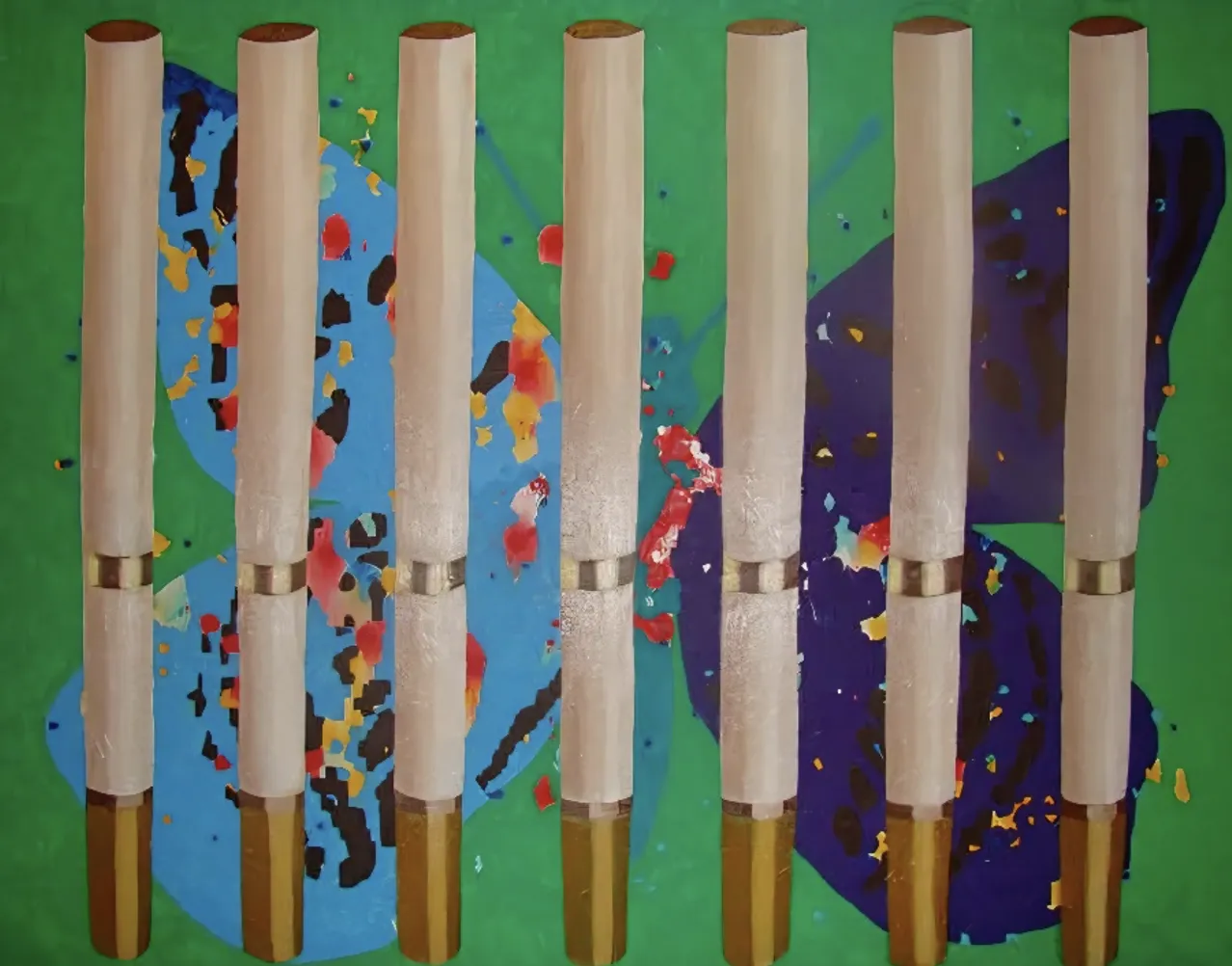
We would like to introduce you to his philosophy and his paintings. This article is based on Volodymyr's book and is illustrated with his original artworks.
In today’s era of instability and uncertainty, this book feels especially relevant.
It offers not just a set of cliché tips, but a new philosophy—creative resilience.
In the author’s words: "Resilience is not a shield that protects against the blows of fate, but a creative engine that uses the energy of those blows to create a new, more desirable reality."
It offers not just a set of cliché tips, but a new philosophy—creative resilience.
In the author’s words: "Resilience is not a shield that protects against the blows of fate, but a creative engine that uses the energy of those blows to create a new, more desirable reality."
A flame in the darkness: how the metaphor of life was born
One of the most powerful metaphors in the book is a story from Volodymyr's youth. At the age of sixteen, he got lost in the Odessa catacombs. He had only a candle with him, and it was its flame that led him out.
"I noticed that the tongue of the flame was flickering slightly in one direction. It was a draft—a sign of an exit. That was the moment I realized: to find a way through chaos, one must trust feelings rather than logic. One must follow the fire of their intention."
This episode became the author's personal archetype—a principle he returns to time and again. In any crisis, there is an invisible current that will point the way. The main thing is to light your "candle of intention" and learn to observe.
Creativism as a Philosophy of Freedom
Volodymyr calls his method "Creativism"—a practice of internal rebellion against imposed reality.
He draws upon the ideas of philosophers and psychologists, including Carl Gustav Jung and sociologists Peter L. Berger and Thomas Luckmann.
Essentially, it is about the fact that we often build our own "prison" by following societal rules and the voice of an "internal warden." But if this prison is constructed, it can also be dismantled.
"The creative act is a form of psychological direct action. We take the tools—canvas and paints—into our own hands and create a new reality to transform the old one."
Seven Steps to a New Reality
"We are not living the life we dreamed of… We are living the life we agreed to. But any contract can be terminated."
With these words, the author of "Artistic Programming" challenges the conventional way of existence.
His book is not merely a philosophical manifesto, but a practical guide to crafting one's own destiny.
At its core lies a seven-step methodology that the author calls the technology of creative resilience.
Creative Resilience: The Power of Creation, Not Survival
While resilience is traditionally understood as the ability to endure the blows of fate, Mukhin offers a different perspective: it is not a shield, but an engine.
Chaos, crisis, and anxiety are not enemies, but raw materials for creativity.
"Resilience here is not passive survival, but active creation. Chaos becomes the material for an alchemical process of transformation."
Seven Steps of the Artistic Programming Methodology
The methodology is described as a ritual of "terminating the contract with mediocrity" and creating a new operating system for one's life.
Step 1. Preparation
One realizes they are not living the way they want. This is a moment of truth: an acknowledgment of dissatisfaction. Here, it is vital to honestly ask oneself: "What am I no longer willing to accept?"
Step 2. Intention
A "super-task" is formulated. Intention becomes the "candle" that illuminates the path through chaos.
"To exit the labyrinth, one must light the fire of intention and watch where its flame aspires."
Step 3. Induction of Chaos
A conscious rejection of old patterns. One enters a zone of uncertainty where familiar schemes no longer work. It is painful, but this is exactly where the path to the new opens up.
Step 4. Searching for the Image
Through observation, associations, and metaphors, a new way of life or a solution is born. The author emphasizes: a metaphor is not a mere figure of speech, but a "key to transformation" that allows one to see hidden paths.
Step 5. Creating the Image
The image is embodied in material form—on canvas, in text, or in any creative act. This solidifies the choice.
"You are creating material proof of your new choice. This is the constitution of your life, written in colors."
Step 6. Anchoring
The new experience is "hardwired" into the body and daily routine. One performs rituals, forms new habits, and maintains practices that sustain their new state.
Step 7. Plan and Action
The final step—translating the image into specific goals, projects, and actions. "Otherwise, the methodology remains just a beautiful idea. The plan makes it the operating system of your life."
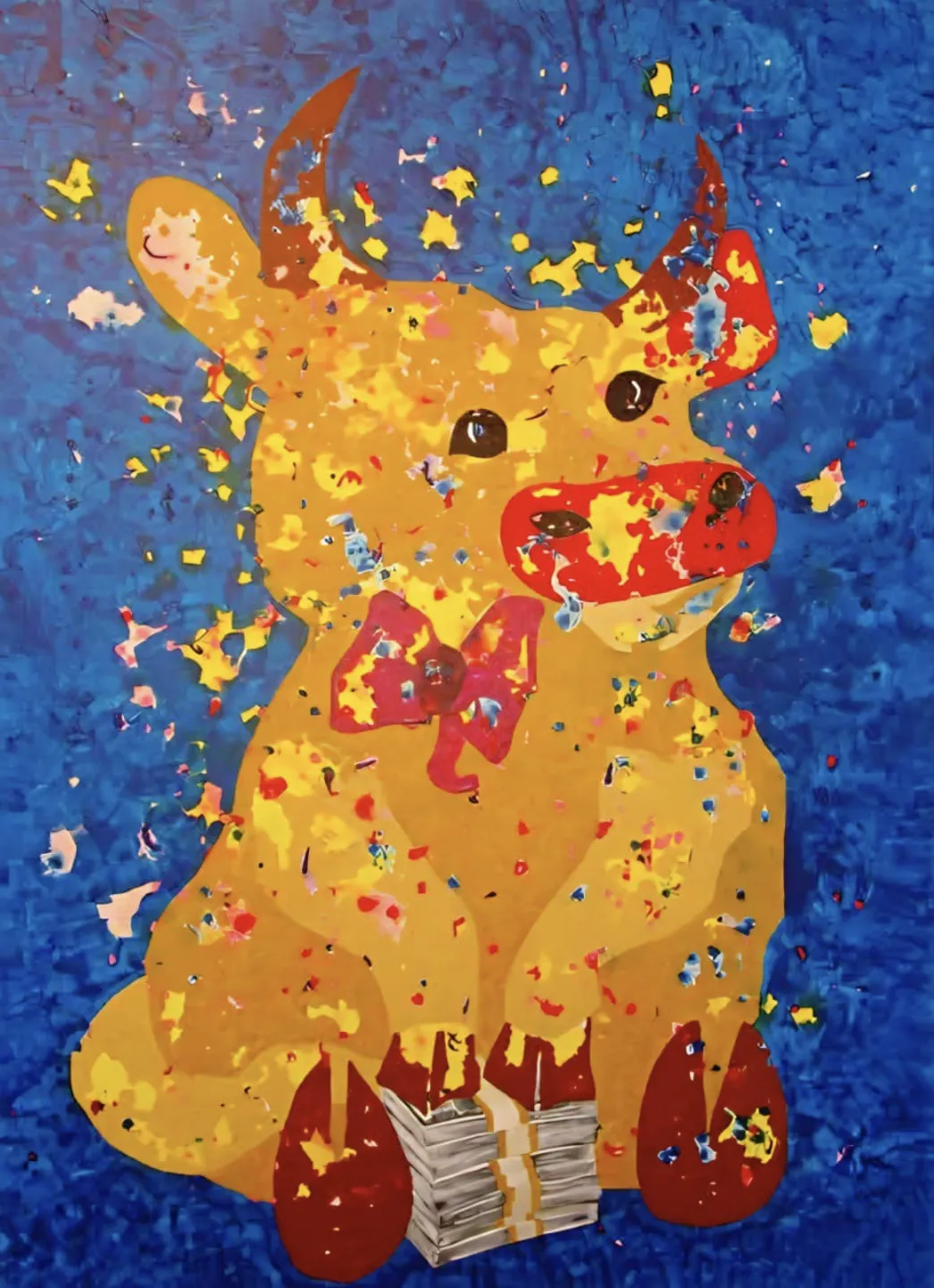
Why does this scheme work?
The seven steps echo Joseph Campbell’s Hero's Journey archetype: from the call to adventure to the return with the "elixir."
They are also aligned with the brain's logic. Intention engages the "executive director"—the executive control network. Chaos activates the unconscious mind. Metaphor creates new neural pathways. Finally, repetition and planning translate these changes into habits.
The author emphasizes that this is not just a theory, but an experience proven by practice—from working with patients to his own creative journey.
"Every day we create ourselves, using our capabilities and talents. We are the authors of our own lives, and it depends only on us whether we will be happy or not."
The seven-step methodology of "Artistic Programming" is, essentially, a manual for creating your own masterpiece of life. It is no coincidence that Volodymyr uses artistic imagery: the canvas, the brushstrokes, the flow of light. After all, life can truly be lived as a work of art—if one takes the brush in hand and dares to paint their own story.
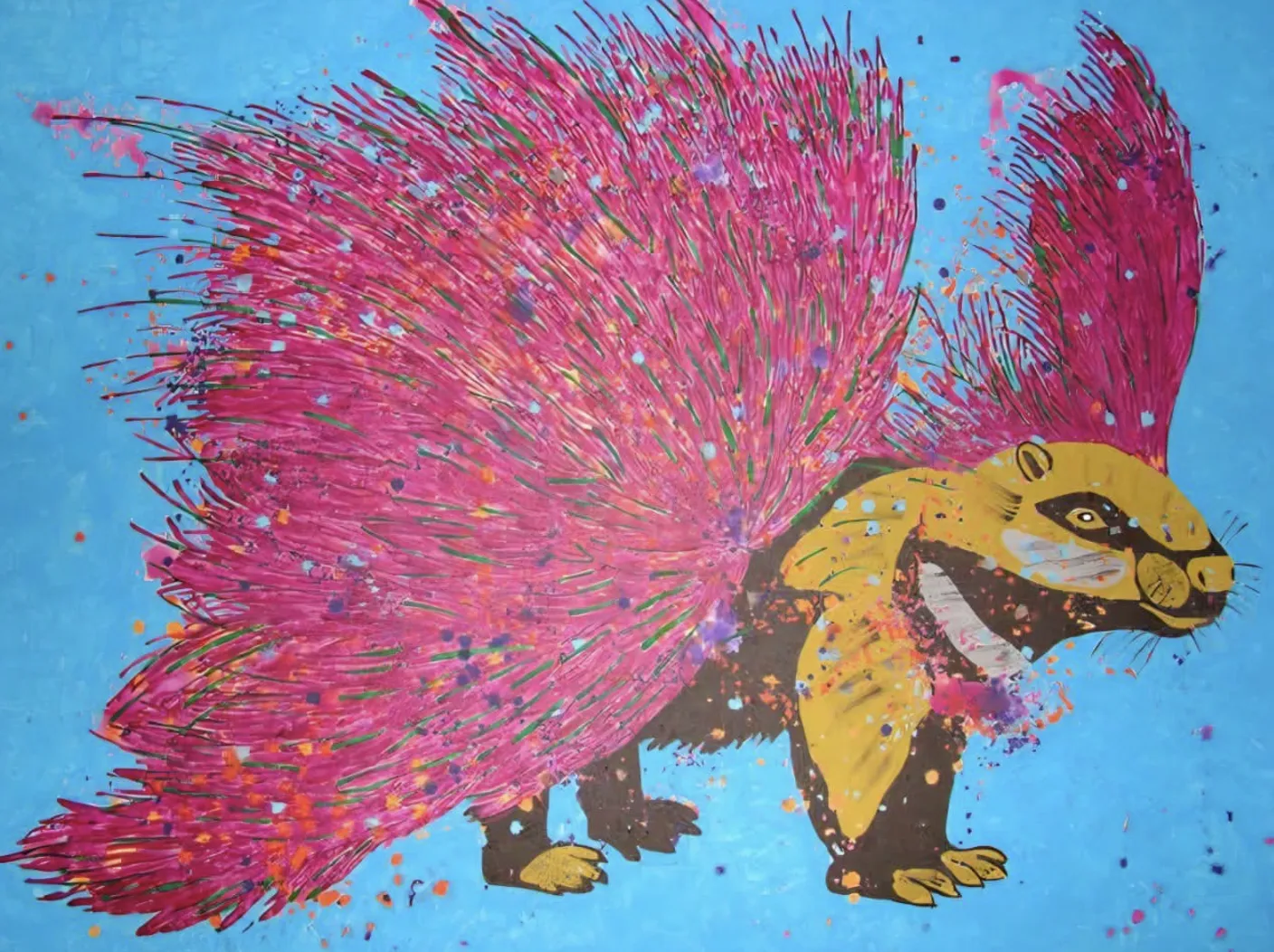
Conclusion: life as a work of art
"Artistic Programming" is neither a painting manual nor a self-help book in the conventional sense. It is an attempt to bridge medicine, art, and philosophy into a single system that helps one not just survive, but actively create their own reality.
Mukhin is convinced: everyone possesses a gift, and everyone carries a trauma. The meeting of these two forces generates the energy from which a future can be forged.
If we are ready to hear the "call to change," light our candle of intention, and trust the flow, then any life can become a work of art.
Today, we introduced you to an extraordinary artist, philosopher, physician, and author—Volodymyr Mukhin. He actively shares his ideas on social media and is currently raising funds for the publication of his book dedicated to the themes discussed in this article. We are also including the artist's resume below.