Flashes of memory: the world of Anatoly Gankevich
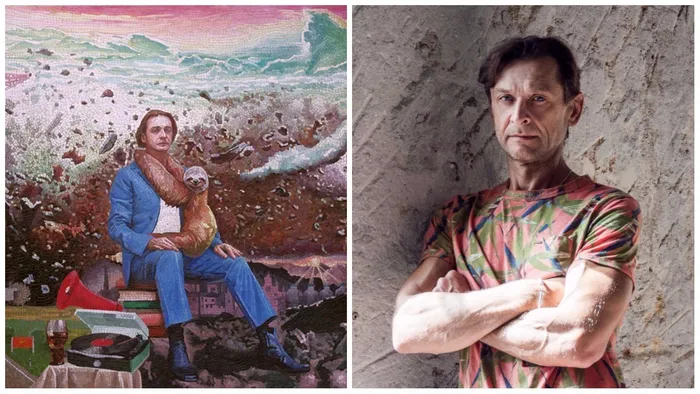
Anatoly Gankevich is one of those Odesa artists whose work is unmistakable. Born and raised in Odesa, he forged a path from private art studios and independent exploration to developing his own recognizable language, built on a unique mosaic-pixel style. His career developed outside the traditional academic system: starting with video, experiments, sketches, and attempts to capture the rhythm of reality, eventually leading to a deep immersion in painting, where he found his center of gravity and a way to speak about time.
His signature technique—an imitation of mosaic, as if assembled from countless tiny fragments—allows him to create images that are simultaneously material and fleeting, appearing to tremble slightly in space. This is not merely an aesthetic choice; for Gankevich, mosaic is a way to present the world as a structure of memory, where each fragment is a piece of lived experience, and the image is composed of scattered elements from the past and present.
His works often flicker between nostalgia and irony, between the desire to freeze time and the realization that it is slipping away. Gankevich possesses a talent for transforming city fragments, domestic scenes, beaches, facades, people, and even emptiness into visual codes that the viewer deciphers almost intuitively. His art is not a narrative, but a vibration, a shimmer of light, a memory in motion.
The Odesa art scene has long regarded Gankevich as one of the key figures of his generation. He has influenced others not just through his work, but through his approach: a blend of experimentation, attention to detail, and the ability to find depth in simple subjects. For many young artists, he has become an example of how to cultivate a personal voice while remaining in dialogue with the city, its culture, and its history.
Since 2022, his journey has shifted—war, relocation between countries, and working under new conditions in Belgium. Yet even from a distance, he remains profoundly connected to Ukraine and Odesa, which continue to resonate in his work as quiet yet persistent motifs of memory. Gankevich seems to collect the scattered pieces of reality, striving to preserve what is vanishing and give form to what requires reflection.
This is why the format of an interview where the artist answers with his paintings feels particularly precise and honest. His language is visual; his answers lie in the texture, the rhythm, and the glints of light on "mosaic" surfaces. No word can convey as much as the works he has chosen.
Below is a selection of questions that Anatoly Gankevich answers not with phrases, but with his creations. Within these images lie his biography, his views, his emotions, and his own way of speaking to the world.
1. Which of your works best reflects your attitude toward Ukraine?
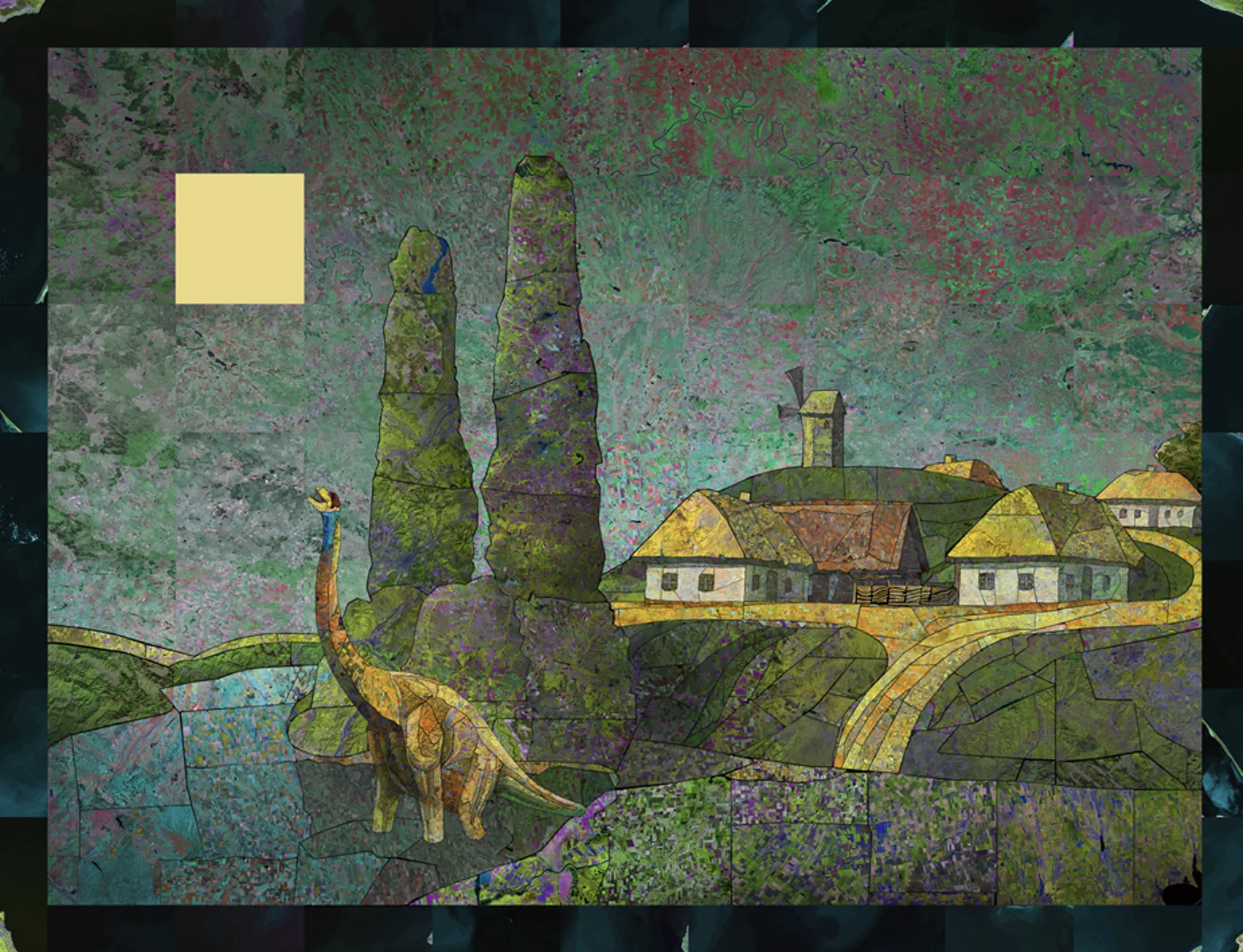
2. What does freedom mean to you?
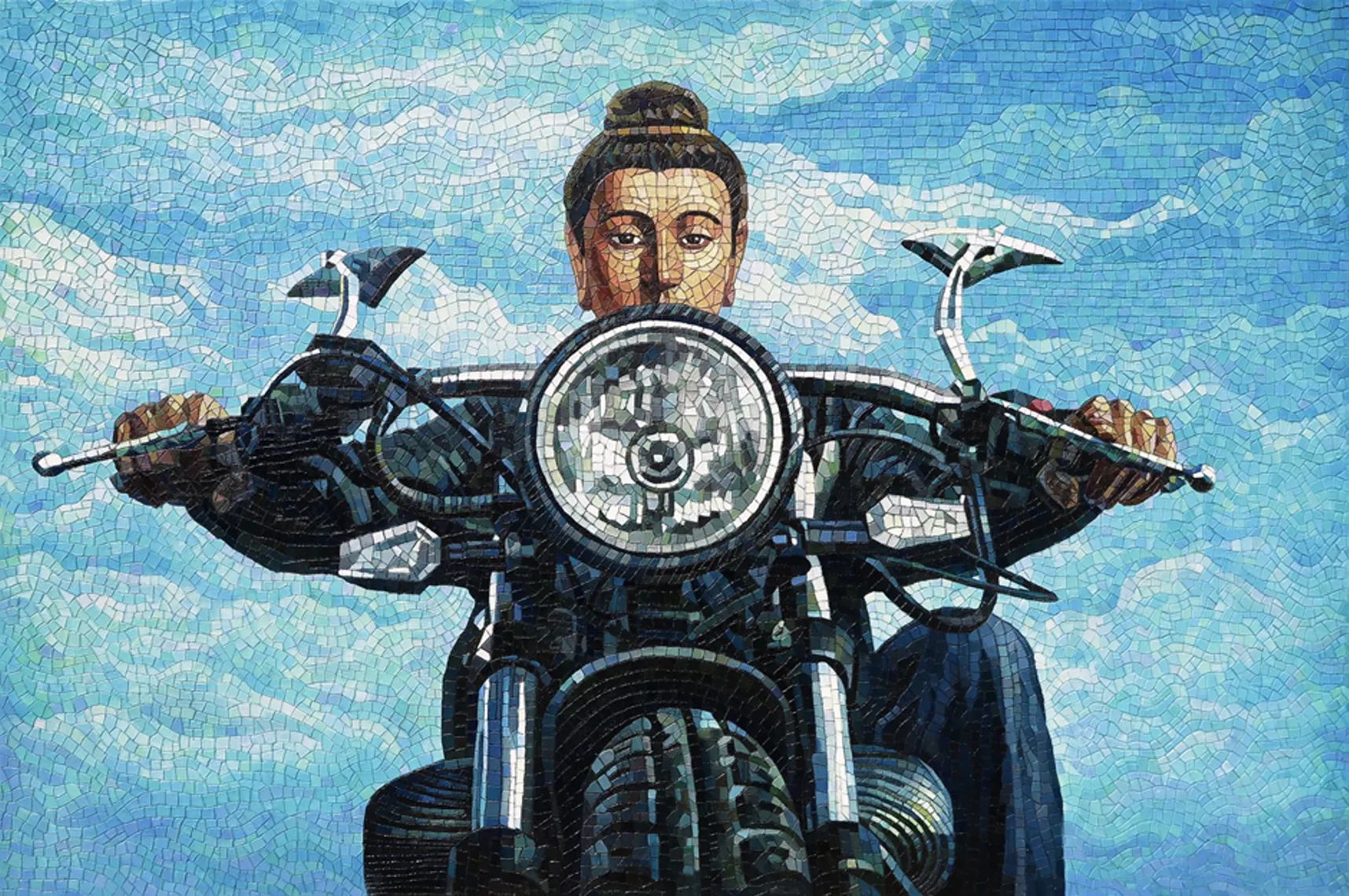
3. Which work would you call the most honest self-portrait, even if it is not a portrait?
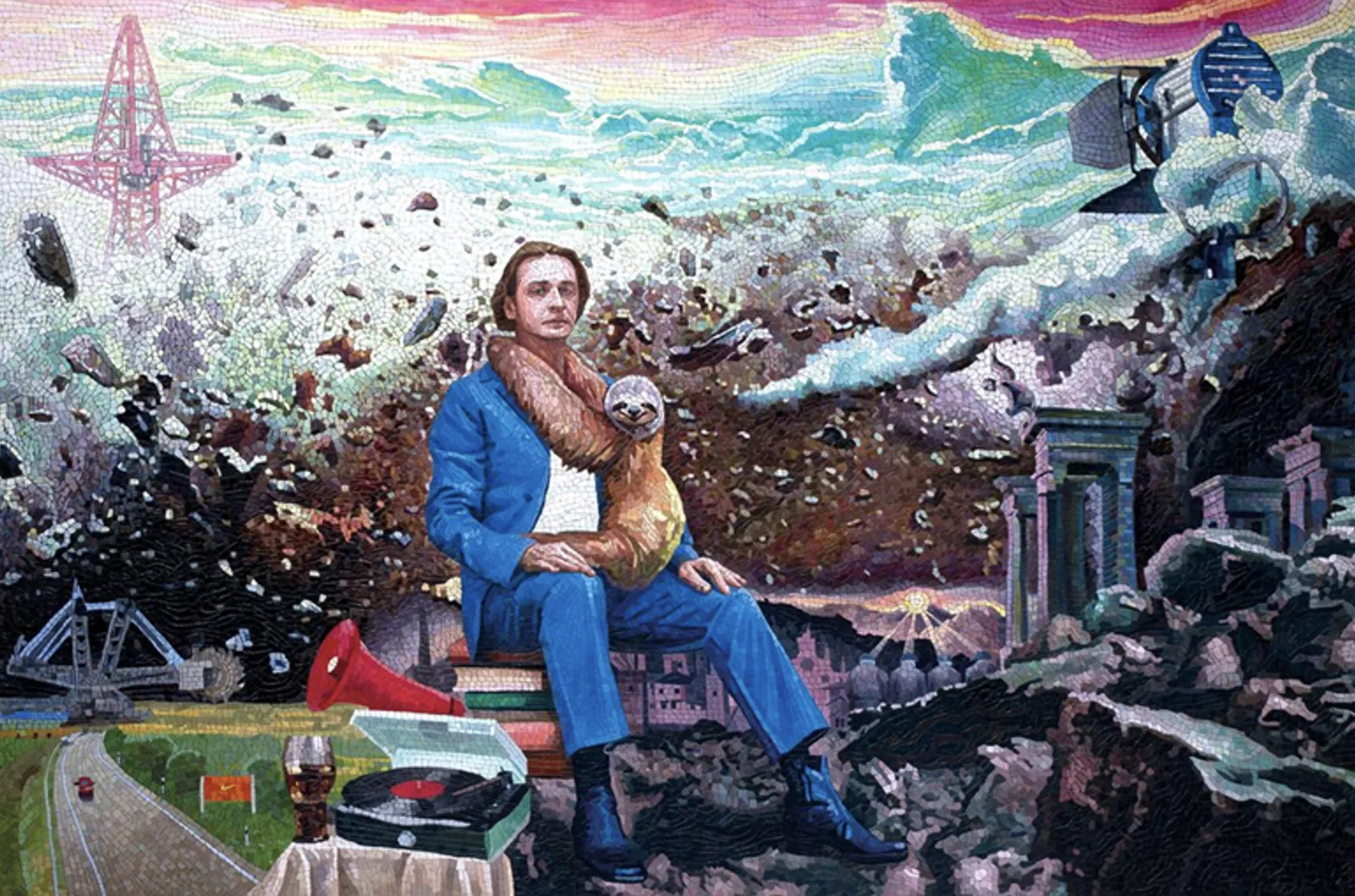
4. Which of your paintings speaks more powerfully about war than any words could?
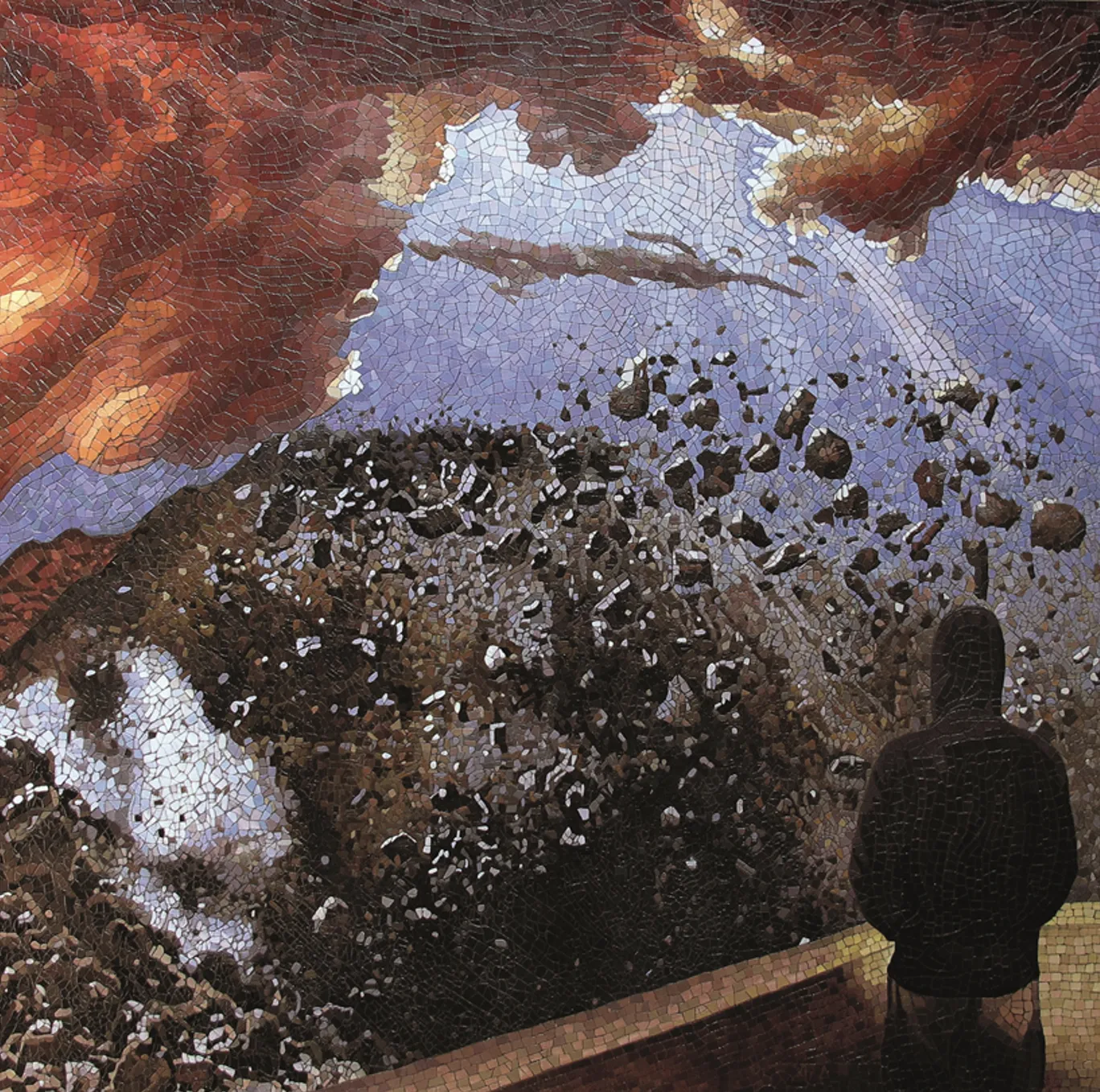
5. If you had to choose one work as a symbol of your Odessa, what would it be?
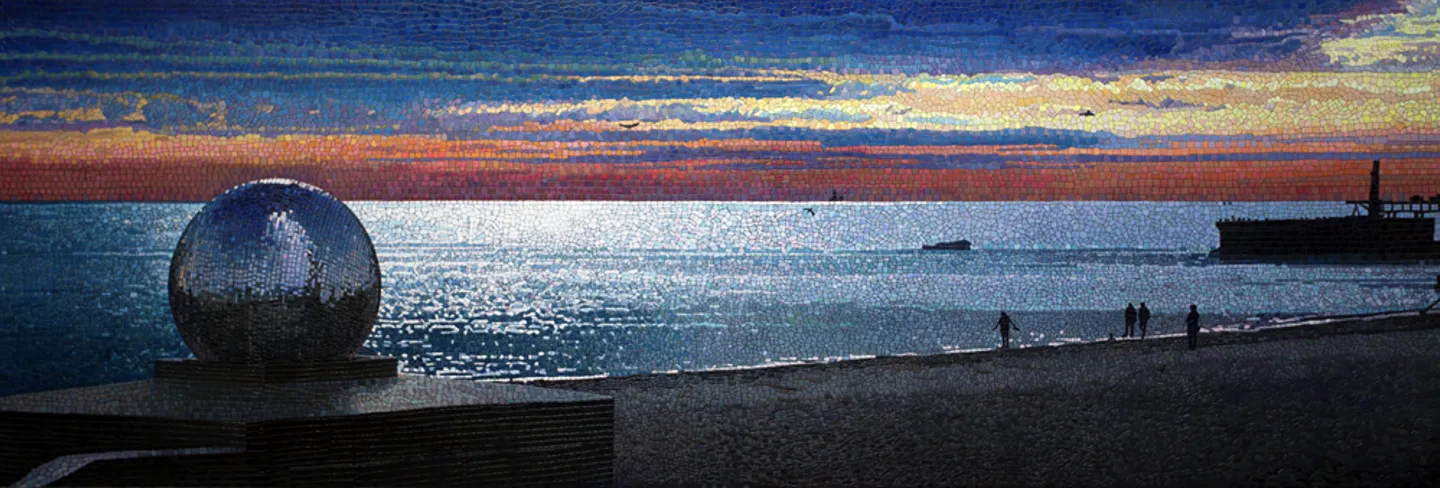
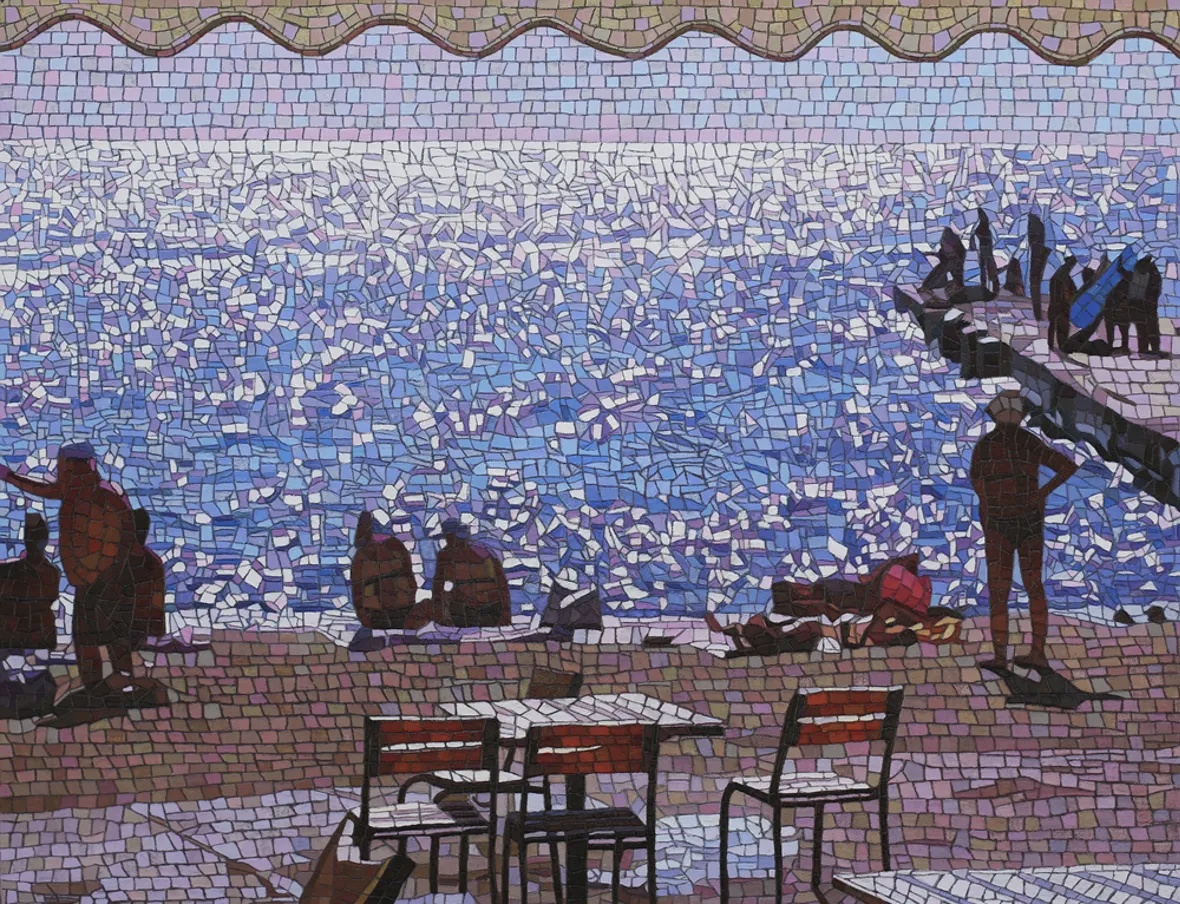
6. What does the work mean to you—about home and losing home?
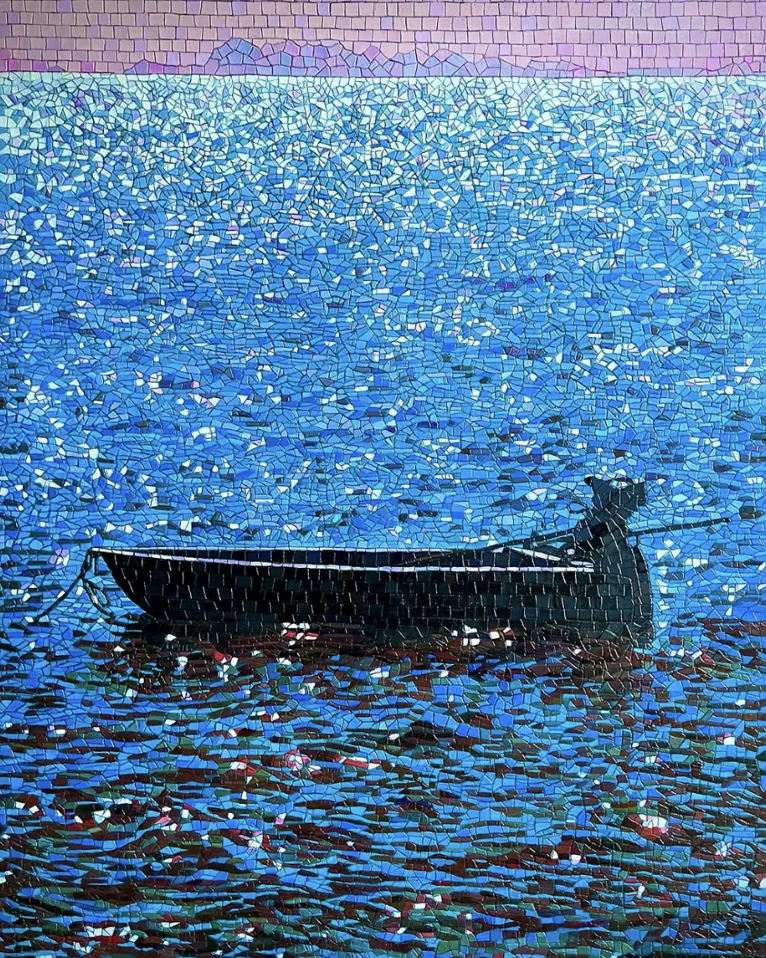
7. What was the turning point in your career?
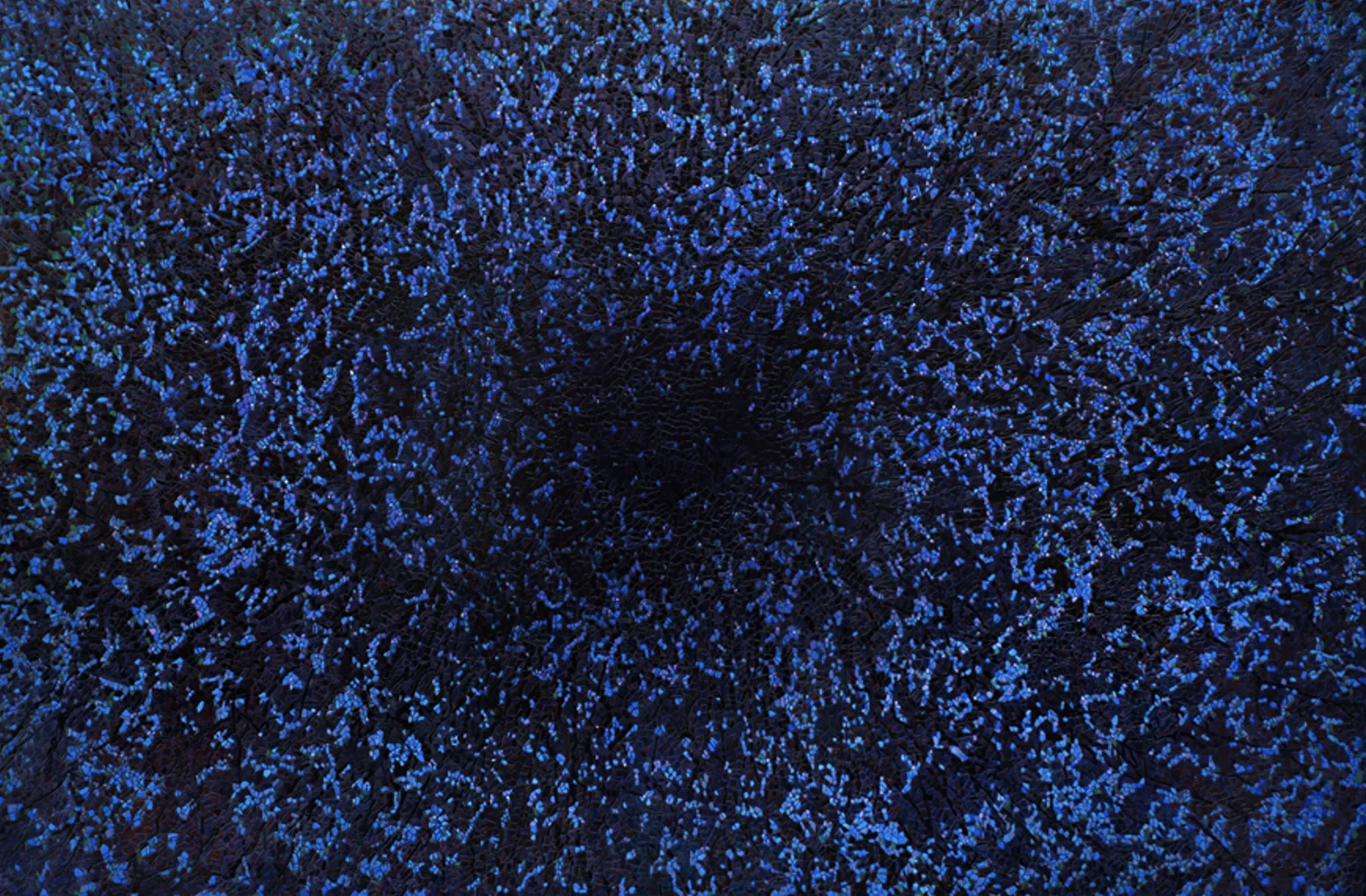
8. Is there a work in which you have invested feelings of faith or doubt? What is that work?
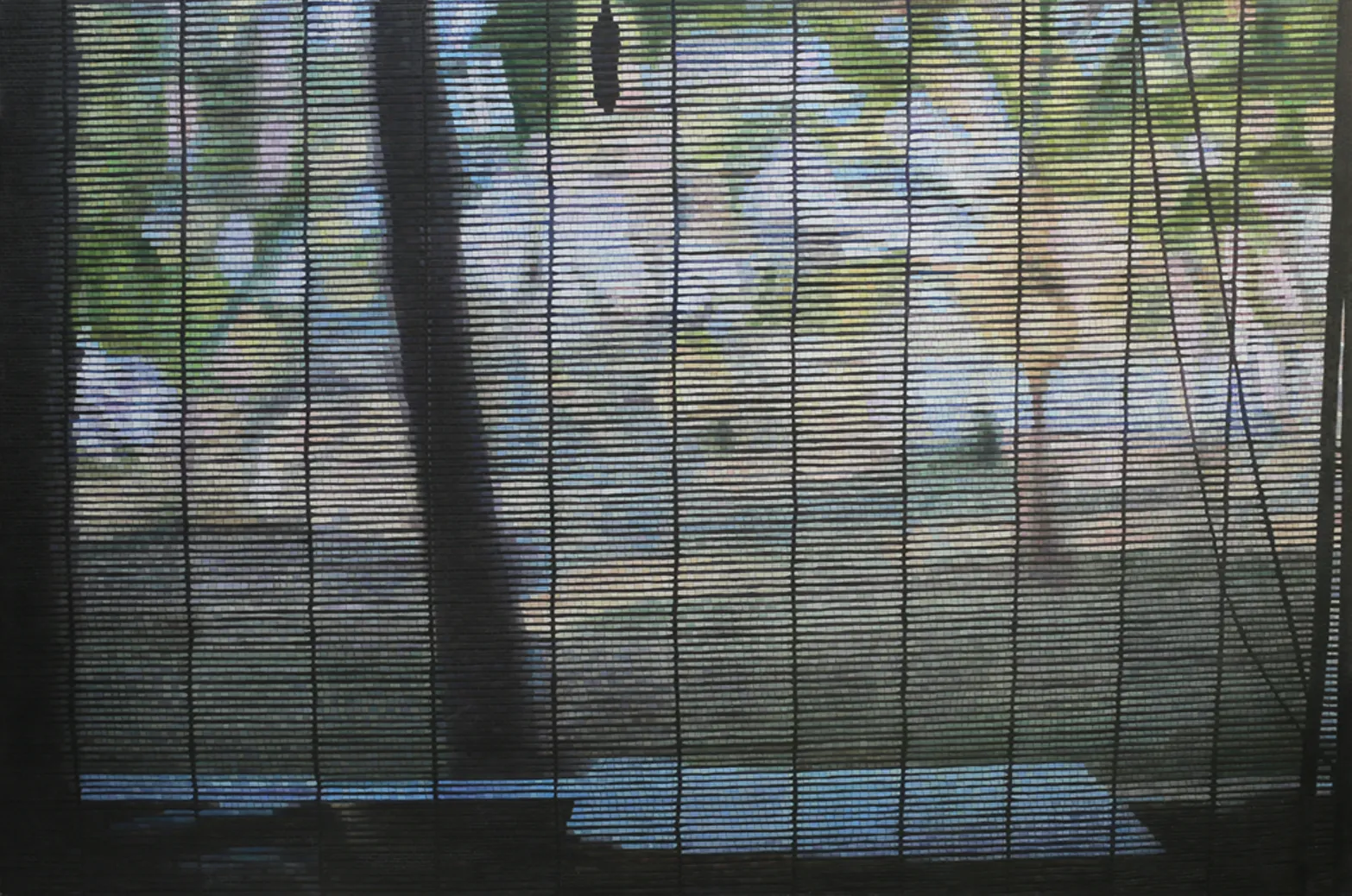
9. What picture would you show to someone who knows nothing about you?
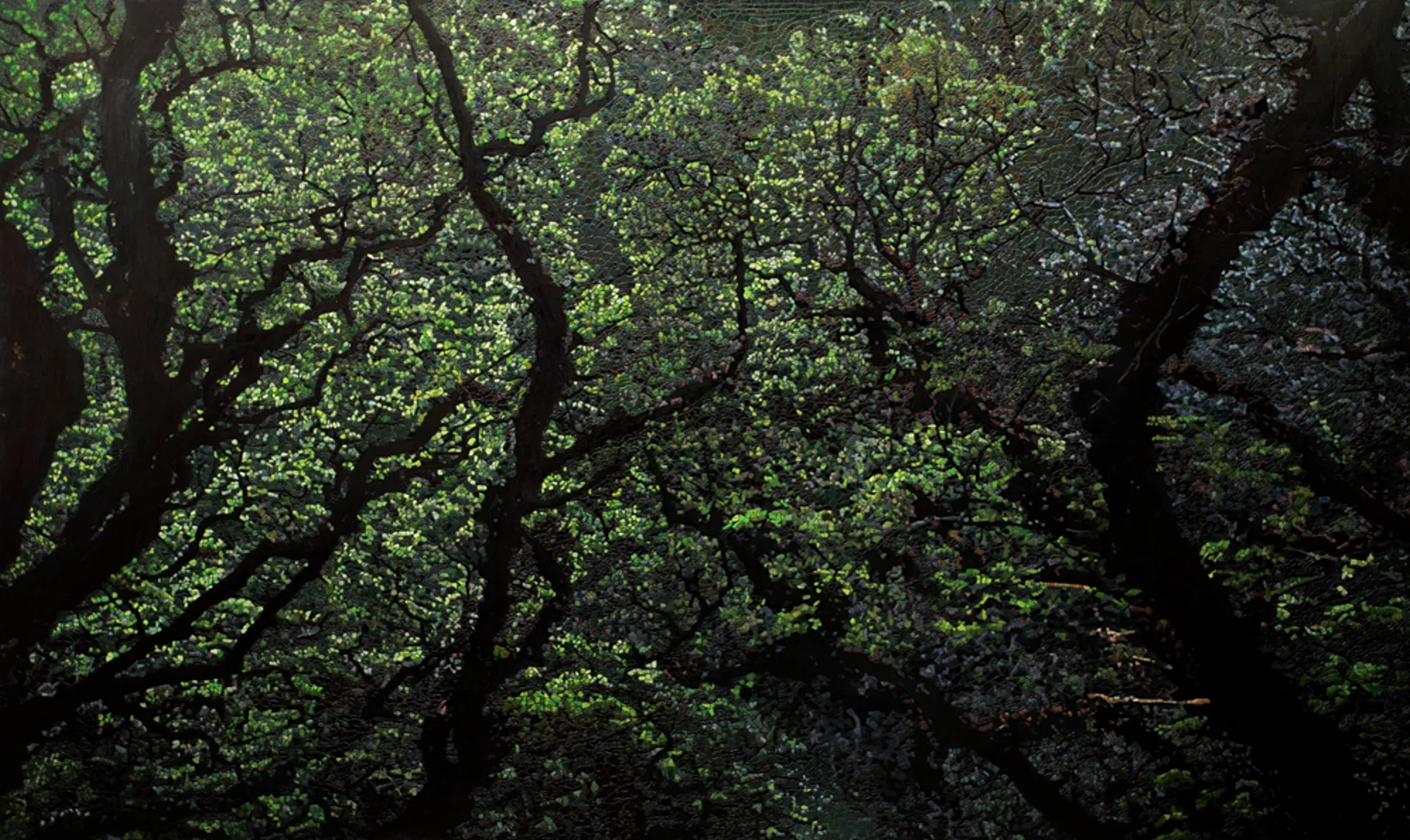
10. Which of your works do you consider to be your most emotional?
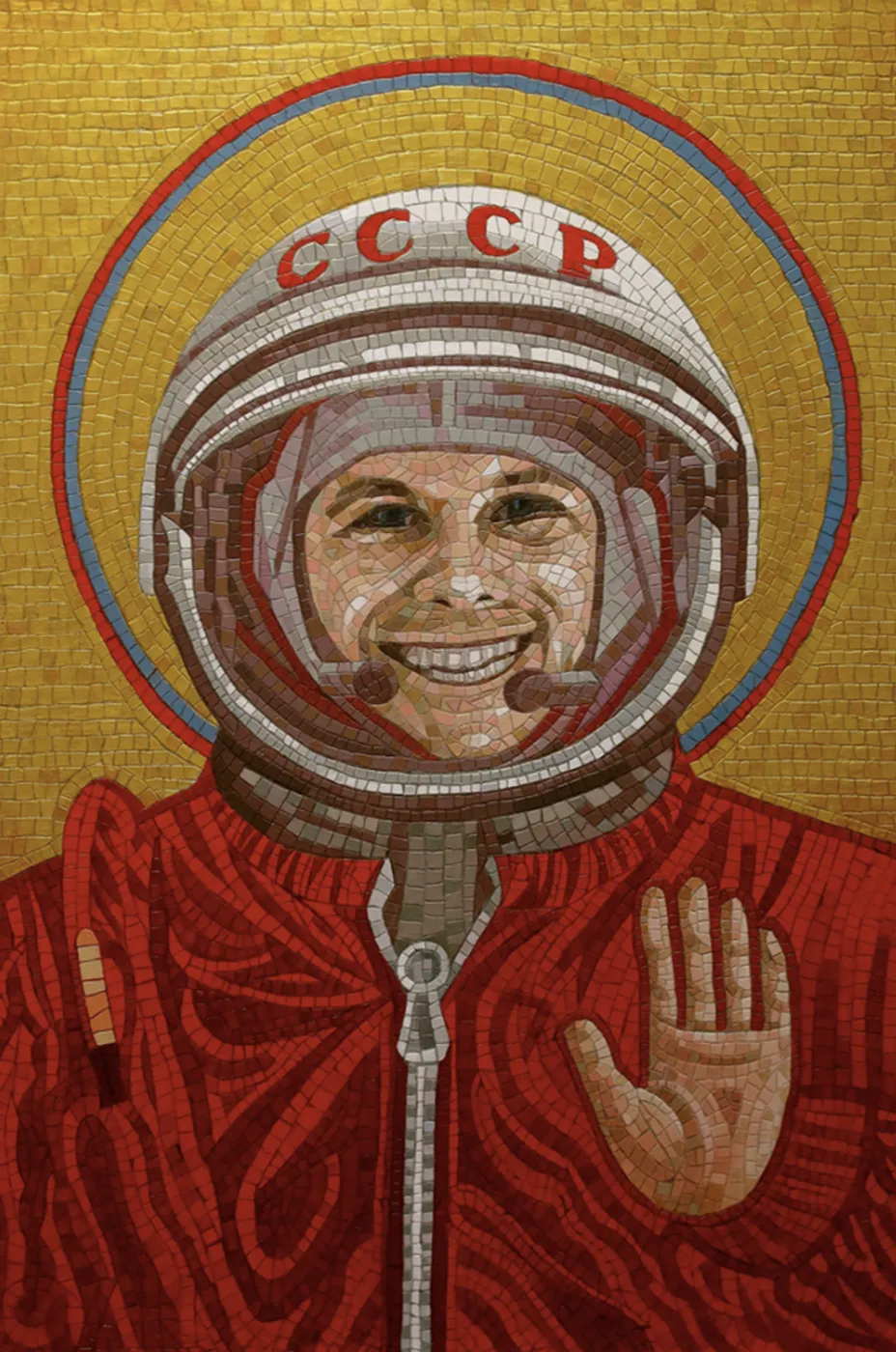
11. Which work do you consider to be the most accurate expression of your idea of “pixel flickering”?
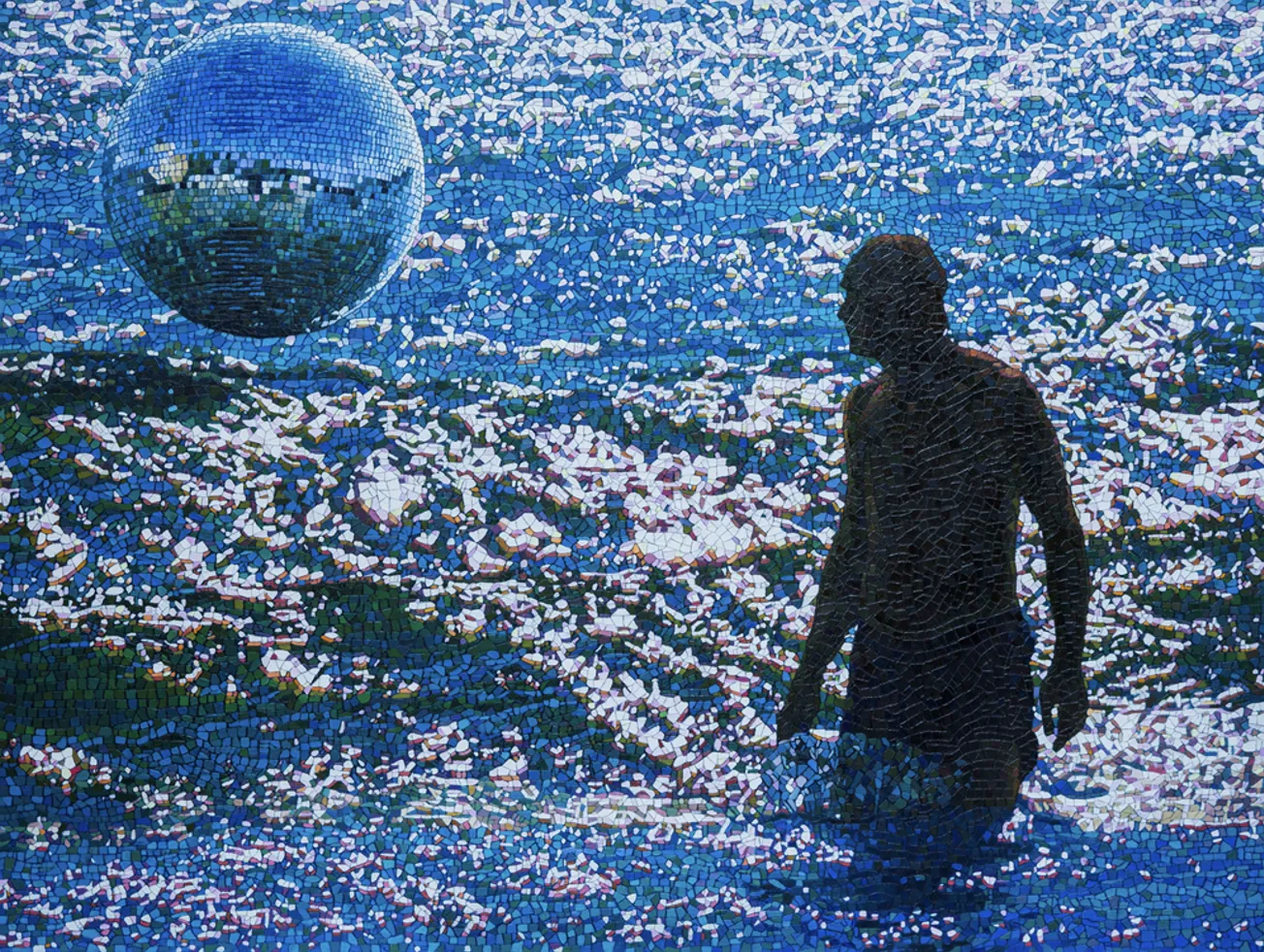
12. Which of your paintings best conveys the feeling of time—its flow, fragility, or pause?
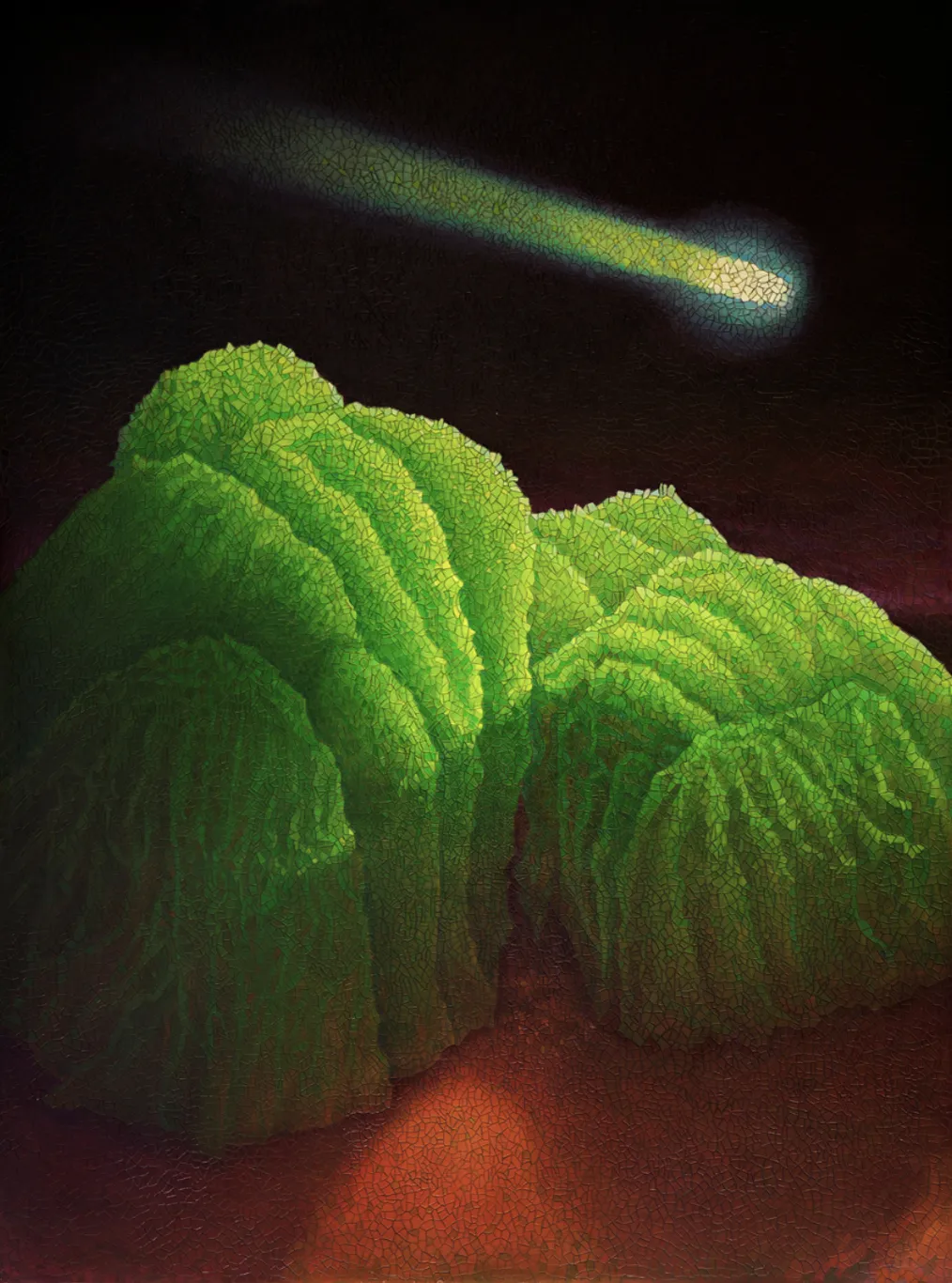
Each of these works is more than just a visual image; it is an independent gesture where experience, memory, and the author's personal worldview converge. From his early experiments to his most recent canvases, Gankevich has built a language in which mosaic is not merely a technique, but a way of thinking and feeling. His paintings take on a life of their own, reflecting the inexpressible: the vulnerability of time, the power of light, the rhythm of the city, and the fragility of human presence.
This dialogue through painting demonstrates how consistently and precisely Gankevich engages with themes that truly matter to him—from the personal to the historical. Odesa, the journey, the war, the search for silence, internal fractures, and the attempt to reconstruct reality piece by piece all intertwine in his work. These "visual answers" serve as a guide to his inner world, where each piece is a door opened to the viewer.
This forms a cohesive image of an artist who remains true to himself despite shifting circumstances and geography. His works continue to speak—gently, accurately, sometimes painfully—and therein lies their strength. Gankevich does not impose interpretations; instead, he invites us to look closer, to listen to the rhythm of the texture, and to breathe in the very shimmer that permeates his painting.
If these questions and answers provoke new ones, then the goal has been achieved. After all, Gankevich's art is born to sustain a conversation, to leave room for reflection, and to invite us back to the canvas again and again, as if to a place where new meaning might emerge.