Alexander Roitburd through the eyes of a friend: an interview with Felix Pustynin
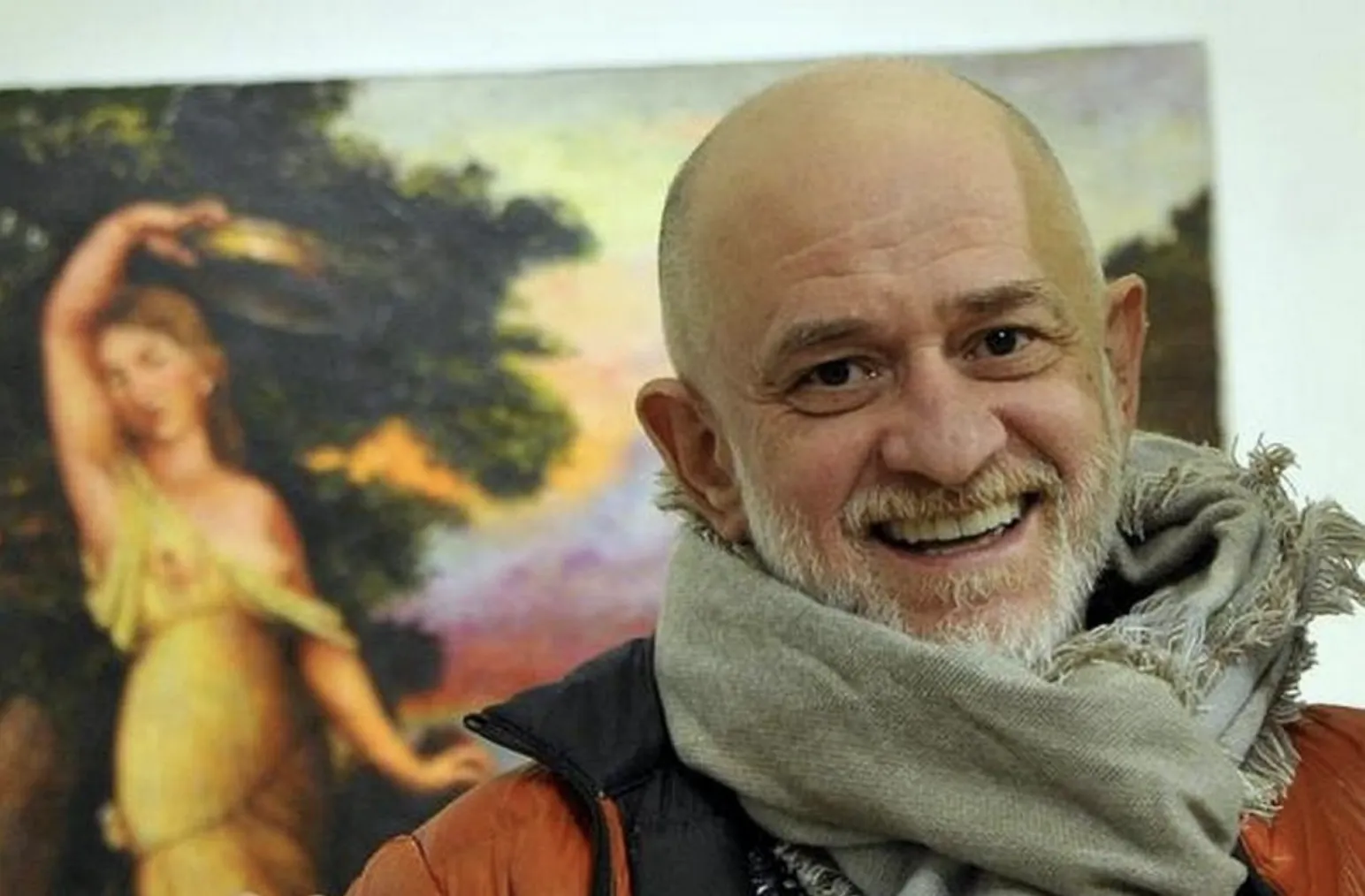
Oleksandr Roitburd
The methods of his creative work always balanced on the edge: between classical heritage and postmodern play, between tragedy and humor, between deep philosophy and daring mockery. This is precisely why his works today are perceived as unique keys—to understanding the man himself, to reading the era, and even to comprehending Odessa.
But Alexander was more than just a great creator. He nurtured a new generation of artists and introduced the names of ambitious authors to the general public. It was thanks to him that many young talents gained access to galleries and professional recognition. For instance, APL-315—the subject of one of our previous interviews—was noticed by Roitburd and, upon his recommendation, introduced to the art communities.
His socio-political role in Odessa is also significant. In 2013–2014, Roitburd was an active participant in Euromaidan. Art critic Alisa Lozhkina recalled: "One of the first to join this carnival-like Maidan was Alexander Roitburd. He became an active participant in the first pacifist, small, and joyful wave of protests. Roitburd's activity on Facebook was so prominent that within a few days, he became a hero of the Maidan and a tastemaker for the creative class."
His presence in the information space was so vivid that a separate section of Antin Mukharsky’s book "Maidan. Revolution of the Spirit" (2014) was dedicated to Roitburd’s Facebook posts, titled "FB-Diary. Selected. Maidan 2013–14." Later, in 2018, the artist signed an open letter from Ukrainian cultural figures in support of Oleg Sentsov, demonstrating his unwavering civic stance and European choice.
Instead of dry memories or long monologues, we invite you to look at Alexander Roitburd through the eyes of his friend, like-minded associate, and the director of the HUDPROMO gallery (where many of Alexander's exhibitions took place) — Felix Pustynin.
He answers the questions not with words, but through the canvases of his friend.
He answers the questions not with words, but through the canvases of his friend.
This kind of interview is more than just a conversation. It is a dialogue with a legacy, an attempt to hear Alexander Roitburd through his own art, and an opportunity for the paintings to speak as loudly and clearly as he did himself.
An interview without words, told only through paintings:
An interview without words, told only through paintings:
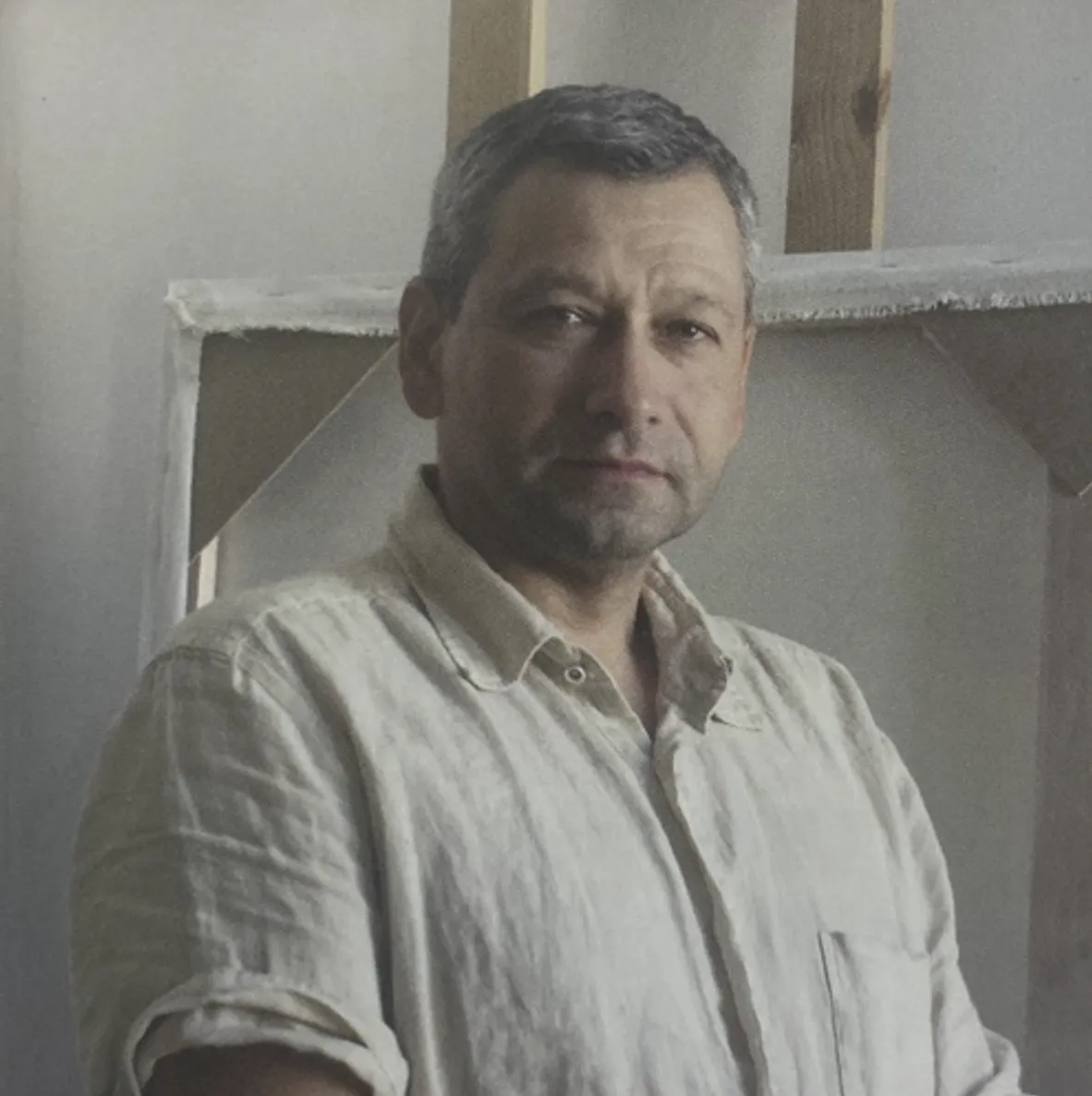
1. If you had to choose a single painting by Roitburd to describe his character, which one would it be?
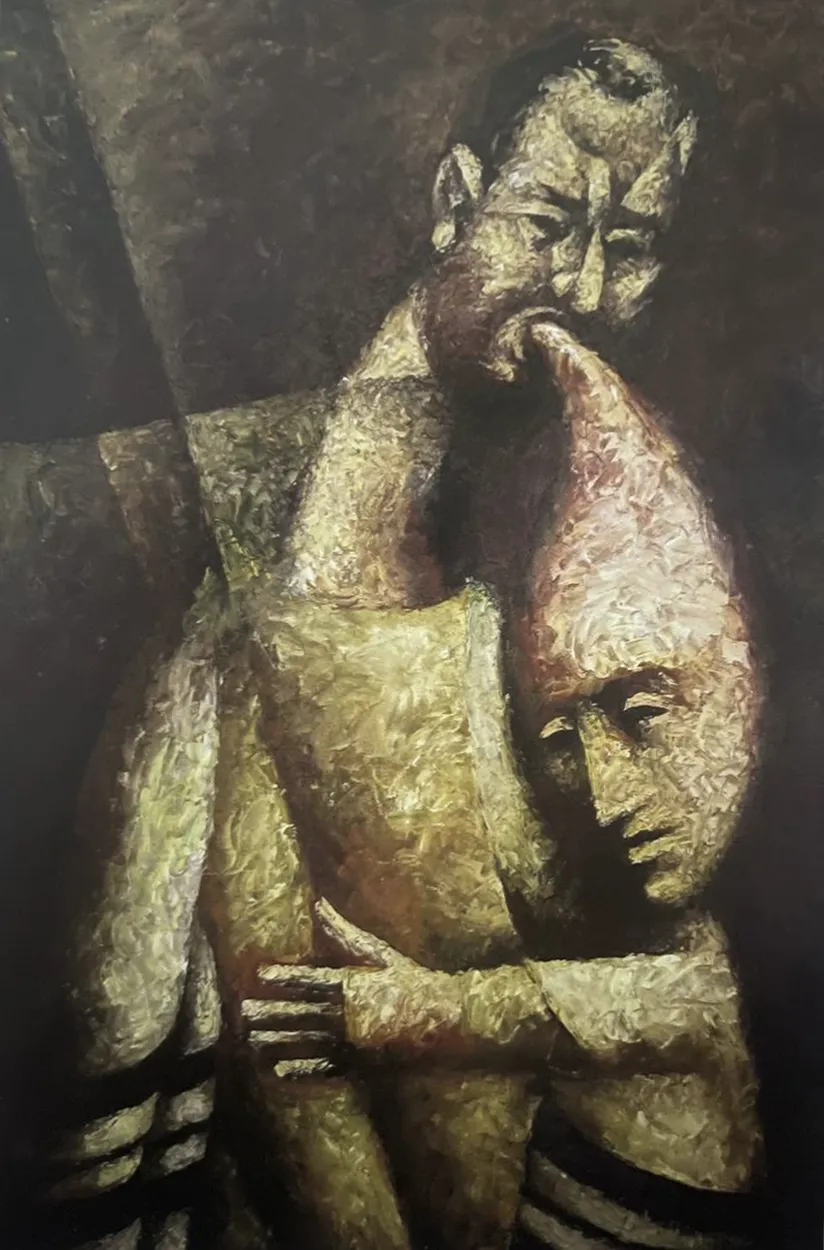
2. Which work by Alexander Roitburd do you feel is closest to you personally?
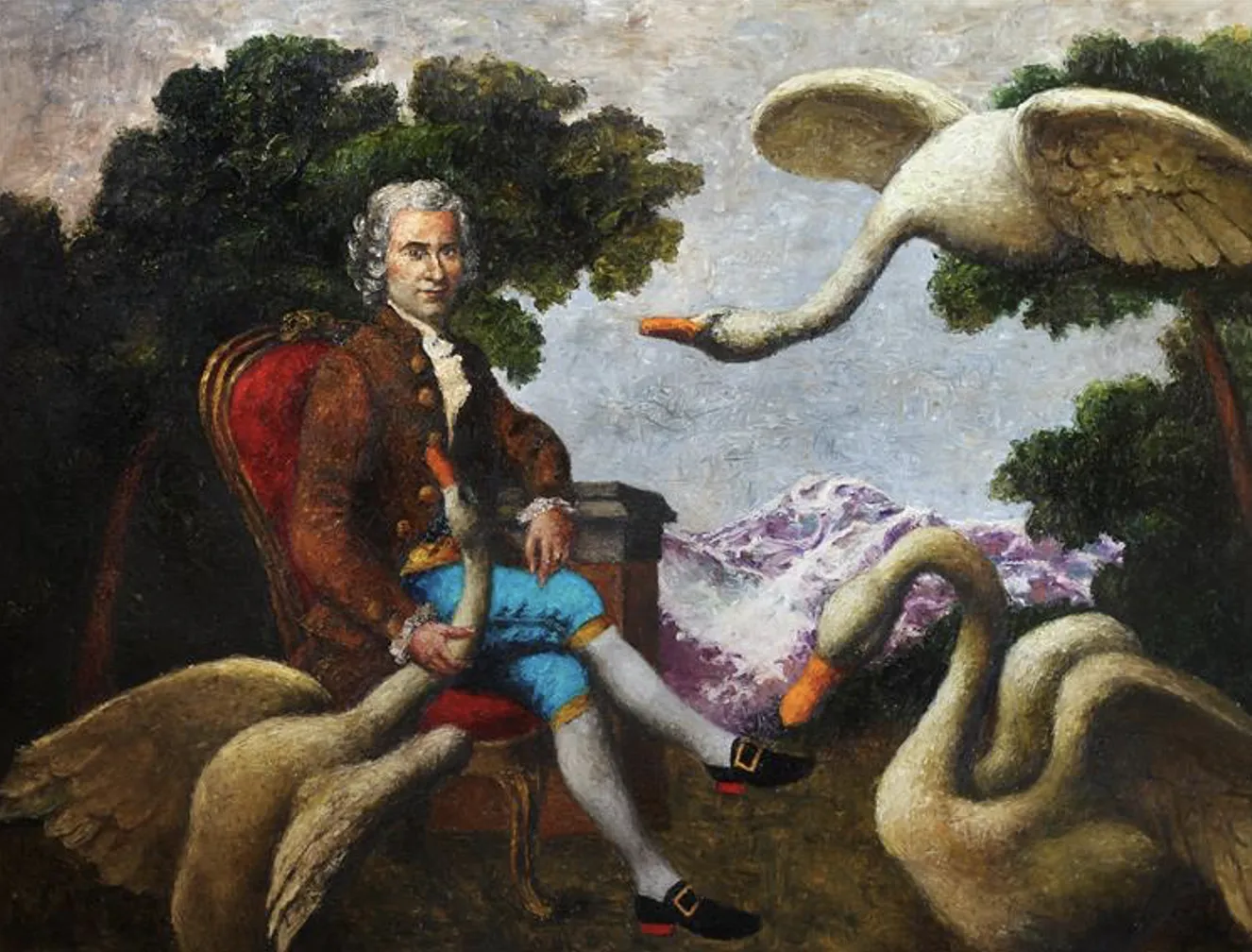
3. In your opinion, which work best showcases his sense of humor?
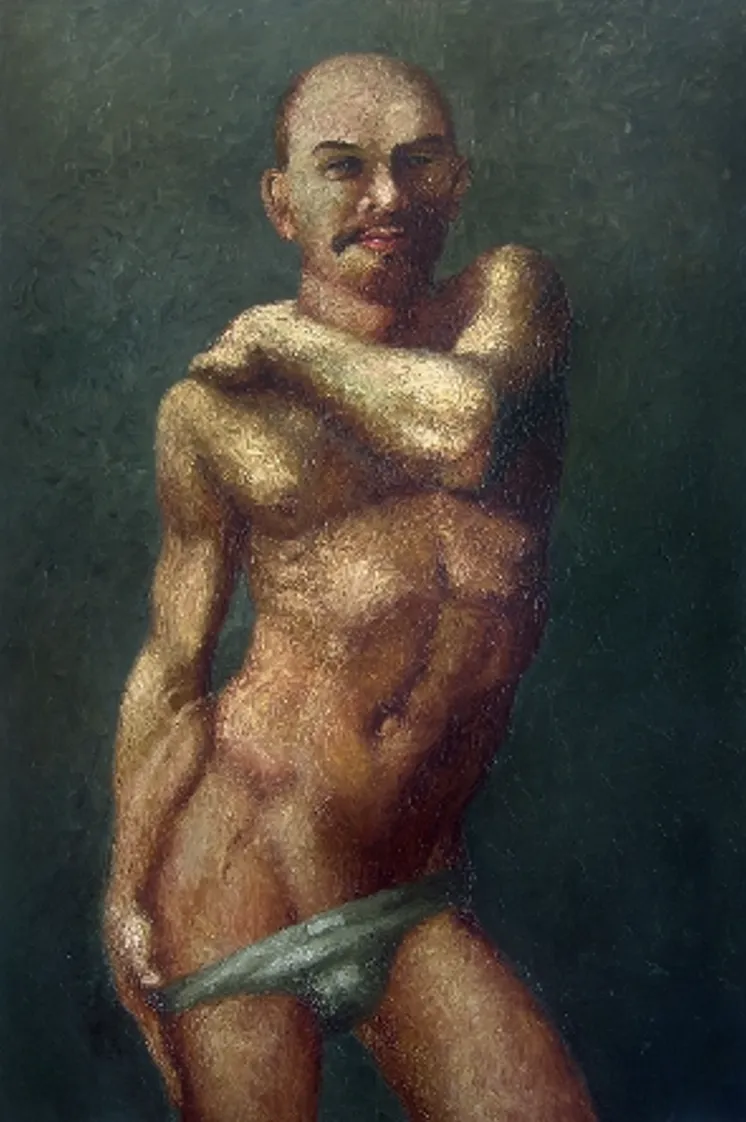
4. If you had to illustrate the word "freedom" through his work—which piece would you choose?
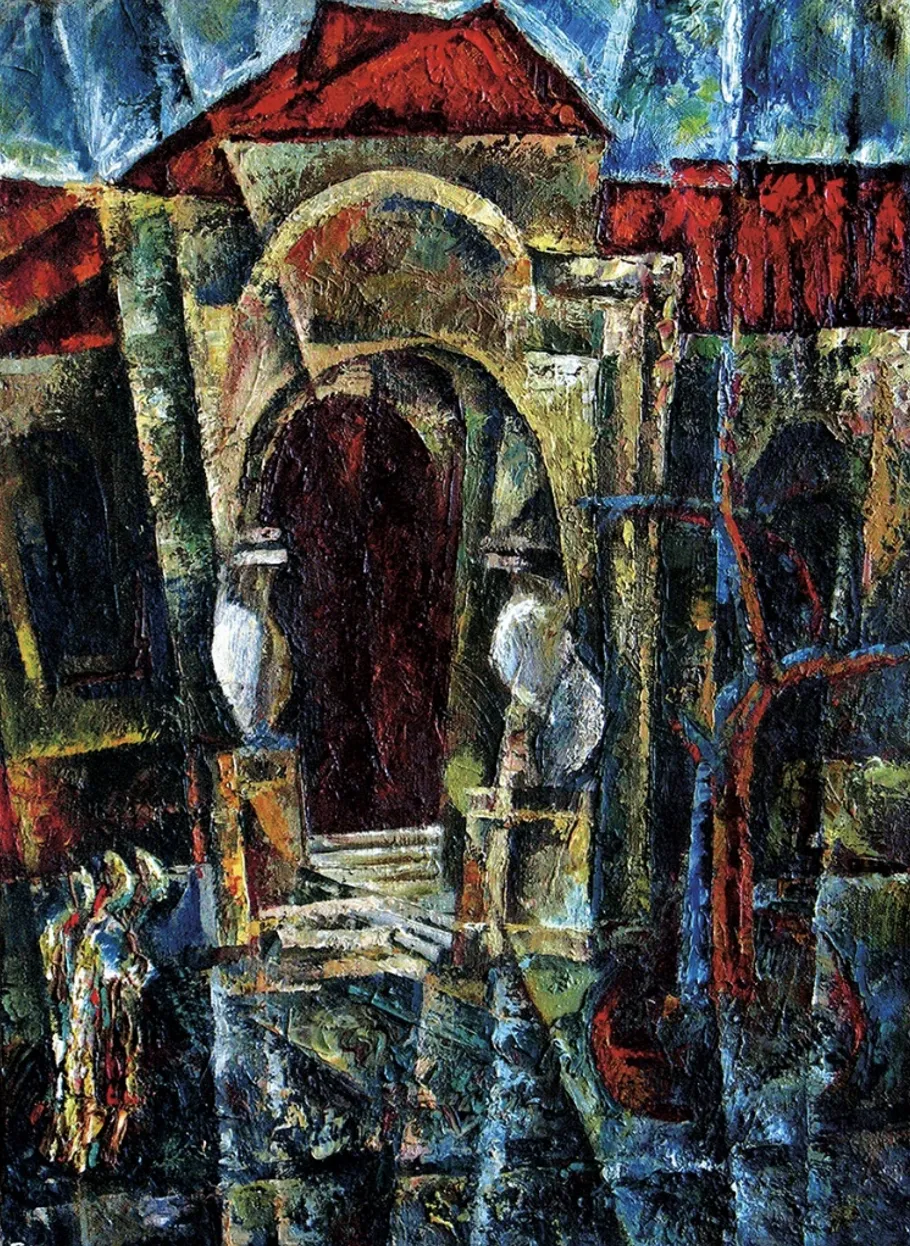
5. Which work could be described as Roitburd's "visual manifesto"?
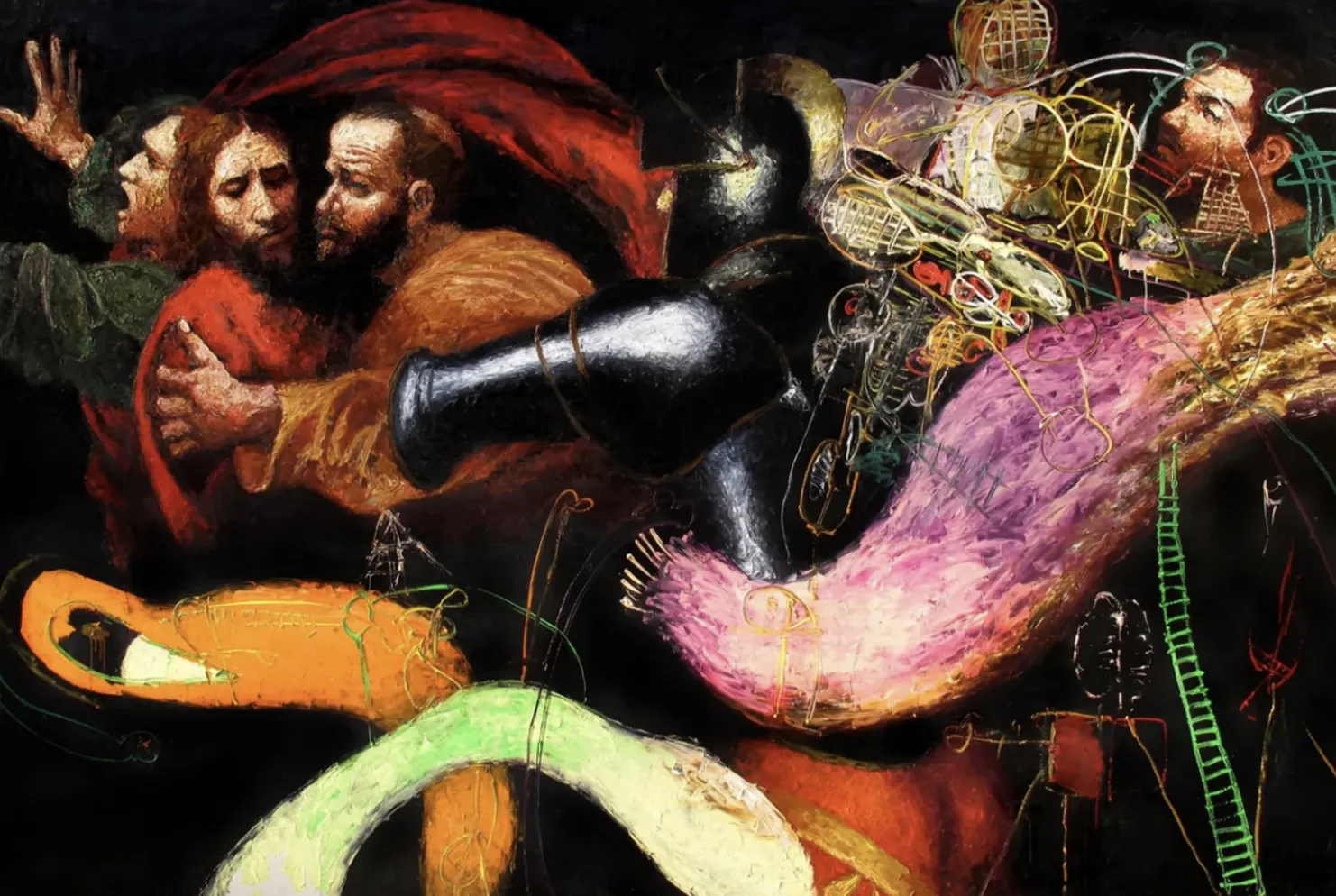
6. In your view, which painting best reflects his attitude toward Odessa?
We also recommend viewing Roitburd's iconic video work, "Psychological Invasion of the Battleship Potemkin into the Tautological Hallucinosis of Sergei Eisenstein," 1998.
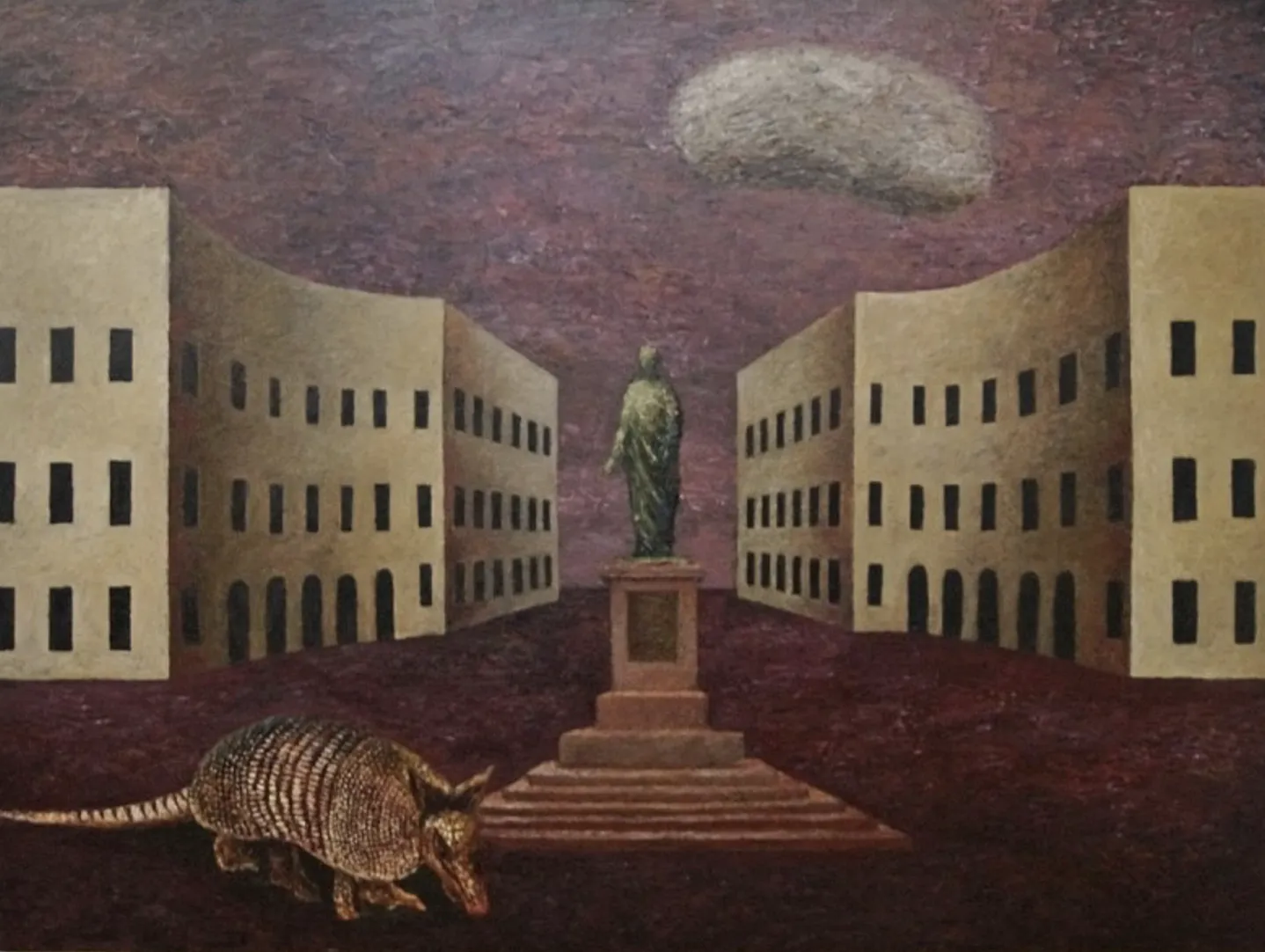
7. Is there a work of his that strikes you as prophetic or especially relevant today?
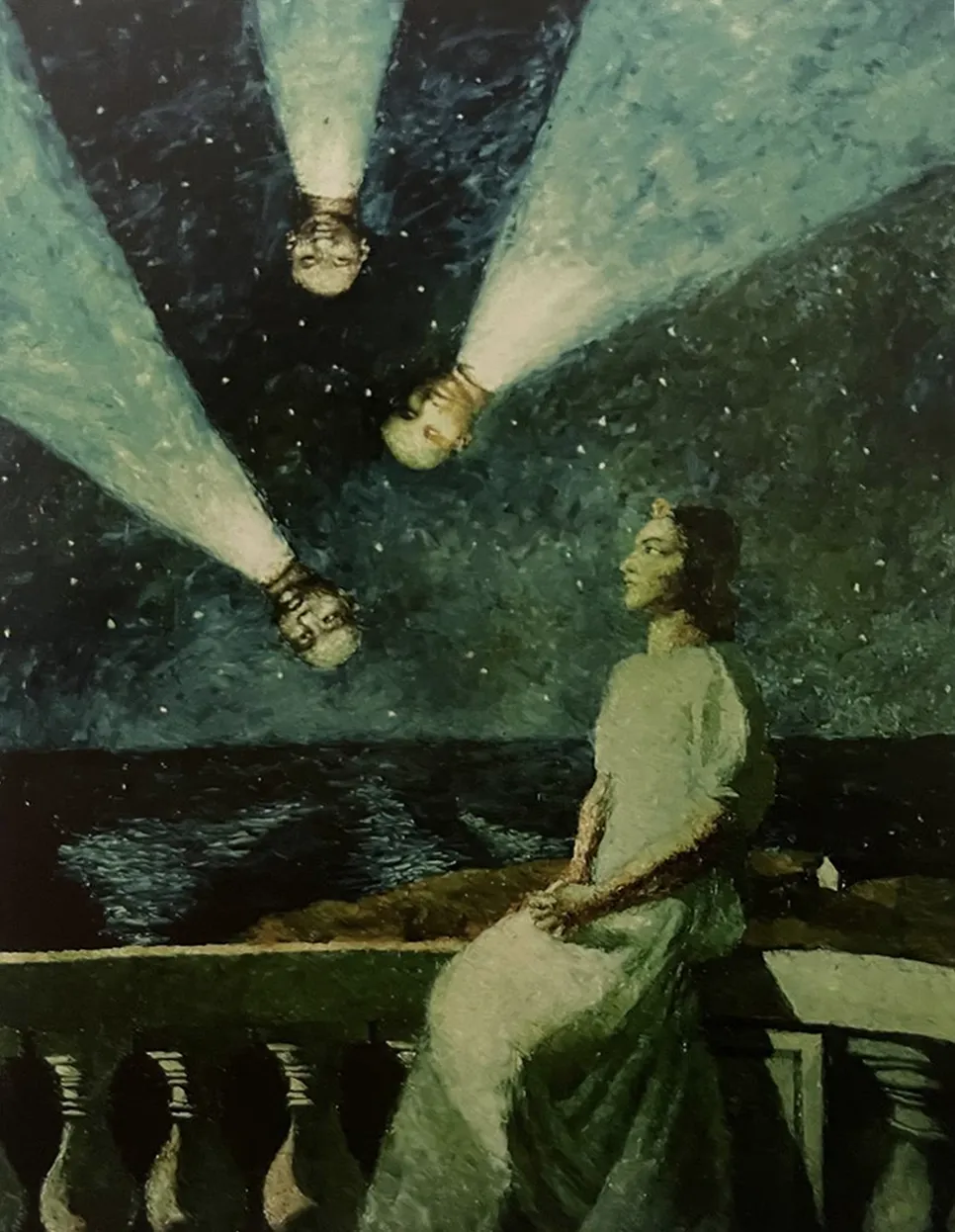
8. Which painting would you show to someone who is discovering Roitburd's work for the very first time?
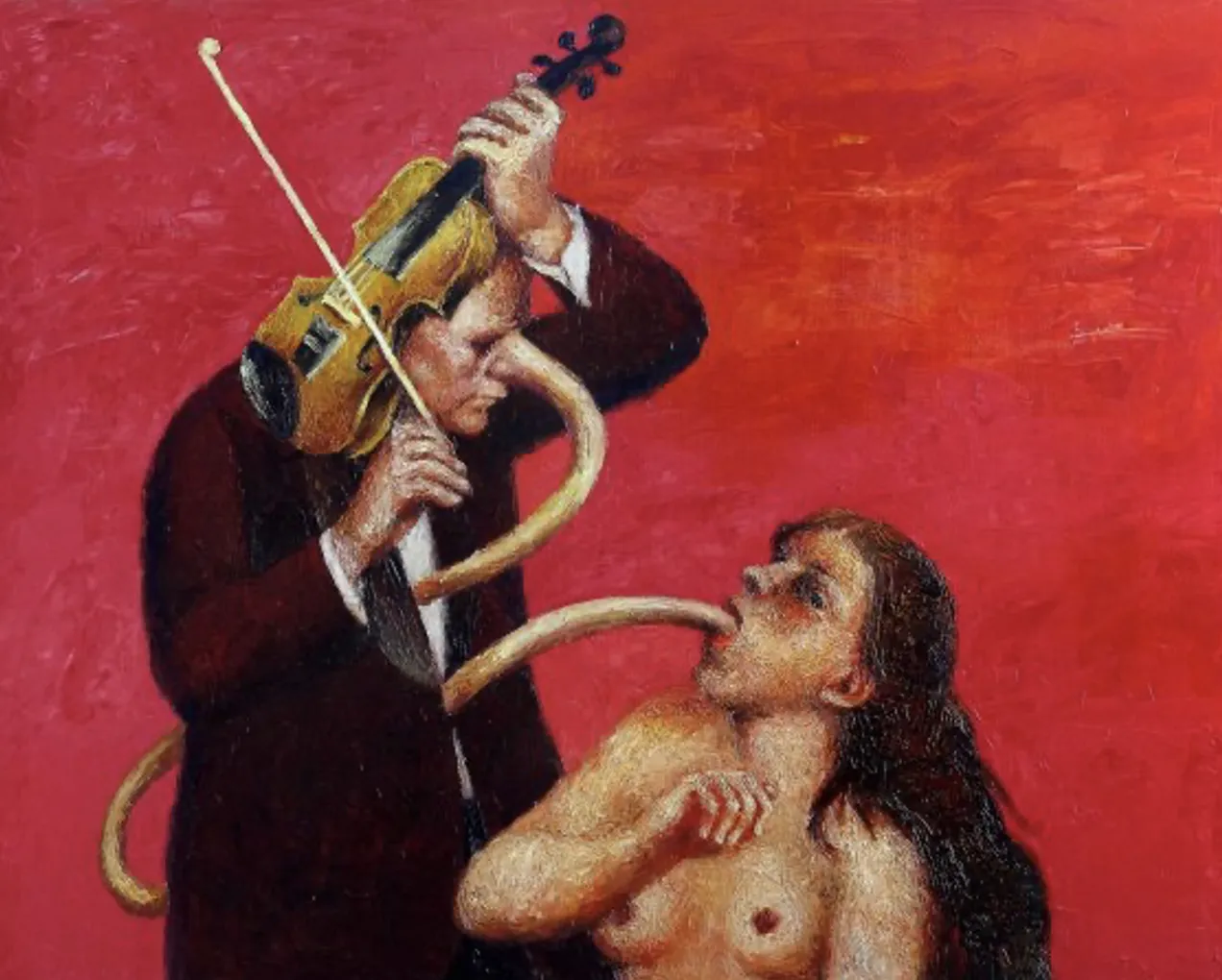
9. Which paintings best manifest his philosophical worldview?
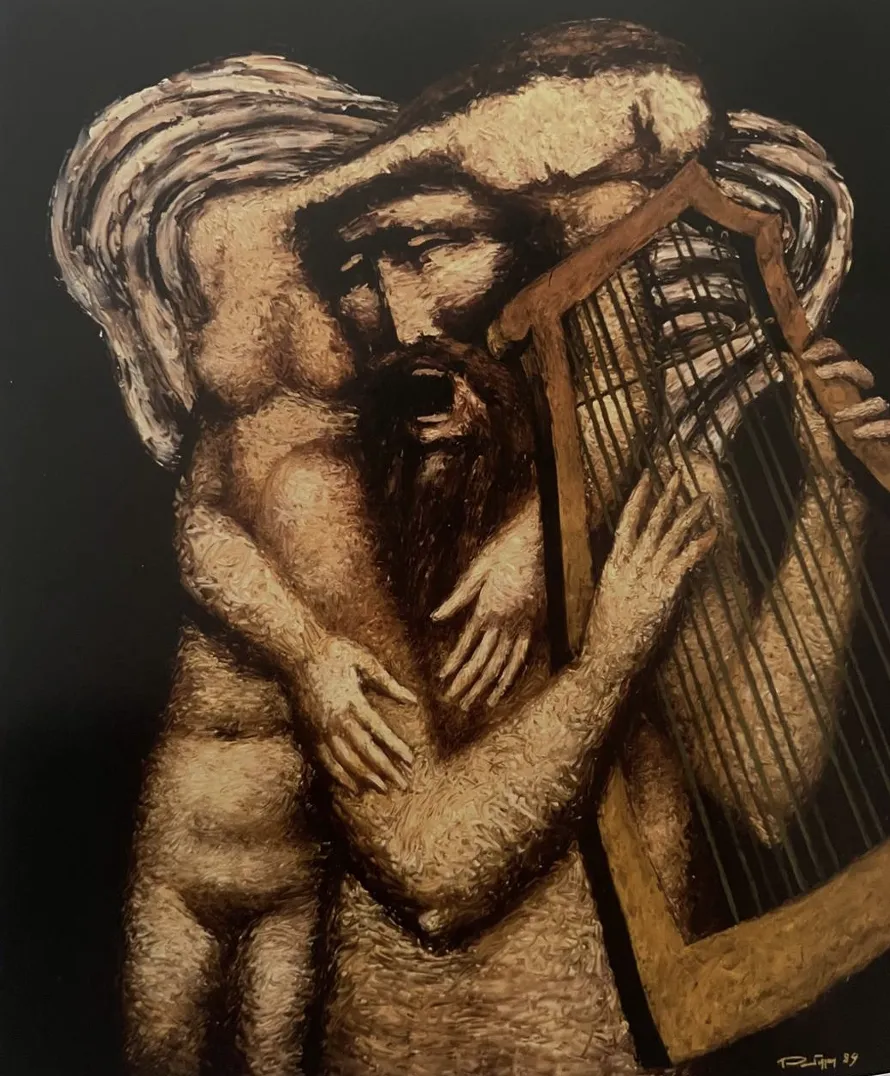
10. Which of Alexander's works most powerfully conveys his attitude toward religion?
11. Which painting did Roitburd himself consider the most significant in his body of work?
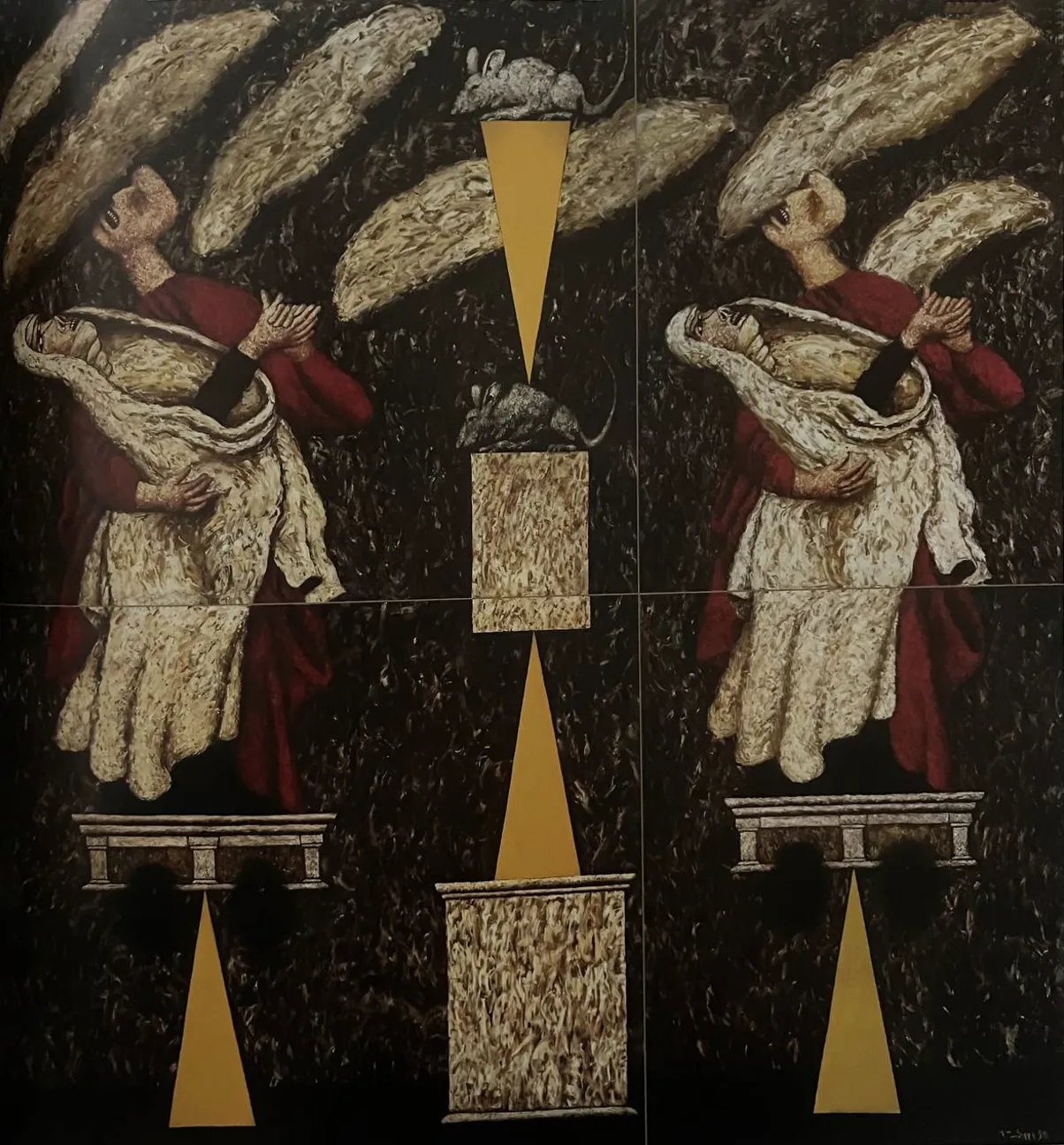
12. If Alexander Roitburd could choose a single painting to "sign off" on his life — which one would it be?
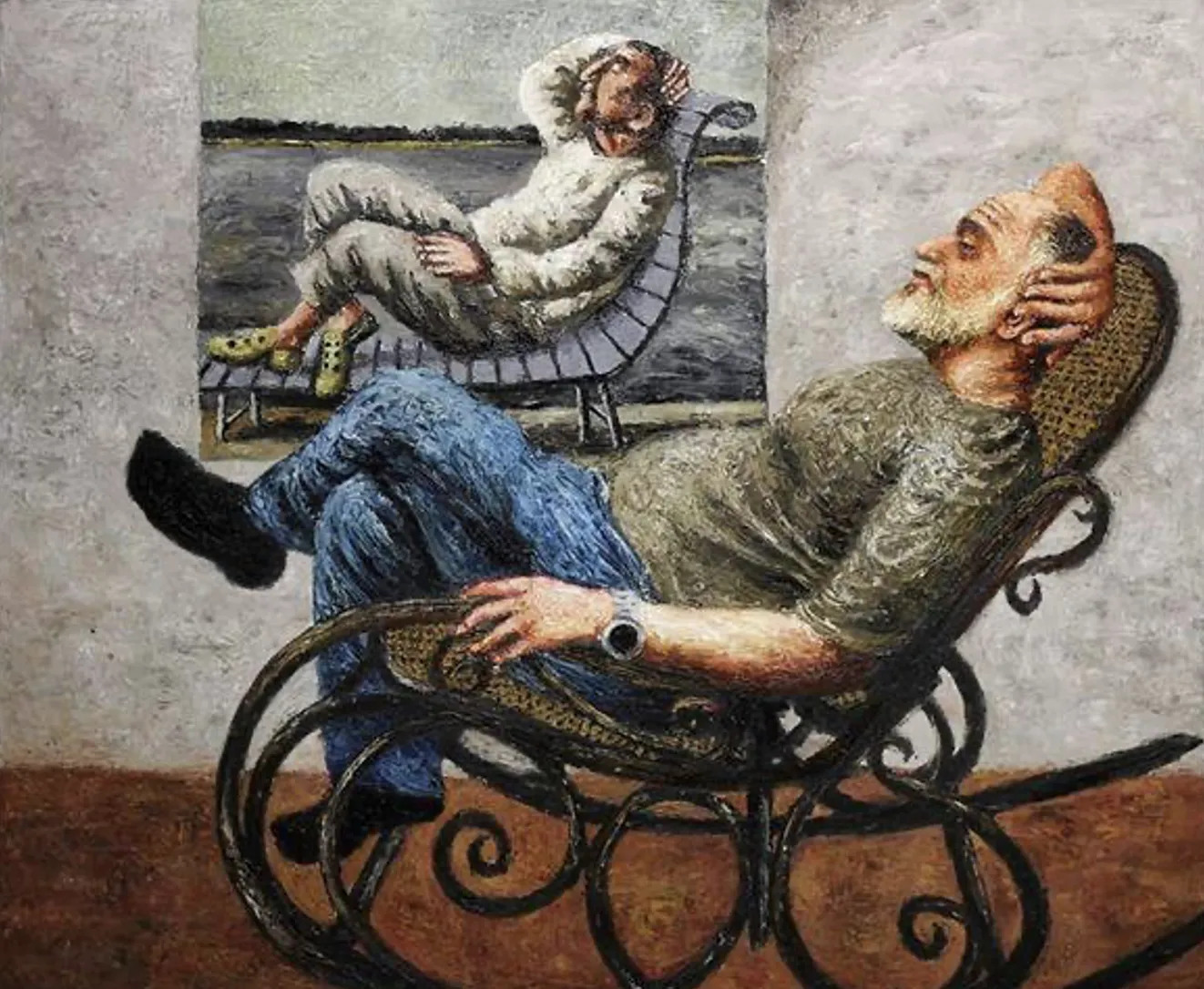
Today, as we repeatedly question the meaning of art, the role of the artist, and how a city preserves the memory of its geniuses, the figure of Roitburd resonates with particular strength.
His legacy continues to live on in galleries, in debates, in the hearts of Odessans, and far beyond the city's borders. In dialogue with his works, we see more than just the story of a single artist — we see a reflection of the era, the country, and ourselves.
His legacy continues to live on in galleries, in debates, in the hearts of Odessans, and far beyond the city's borders. In dialogue with his works, we see more than just the story of a single artist — we see a reflection of the era, the country, and ourselves.