Neorealism — about honesty, without censorship
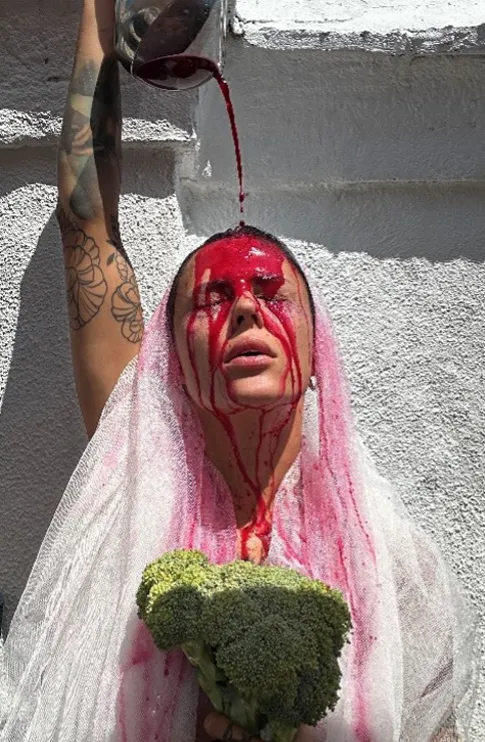
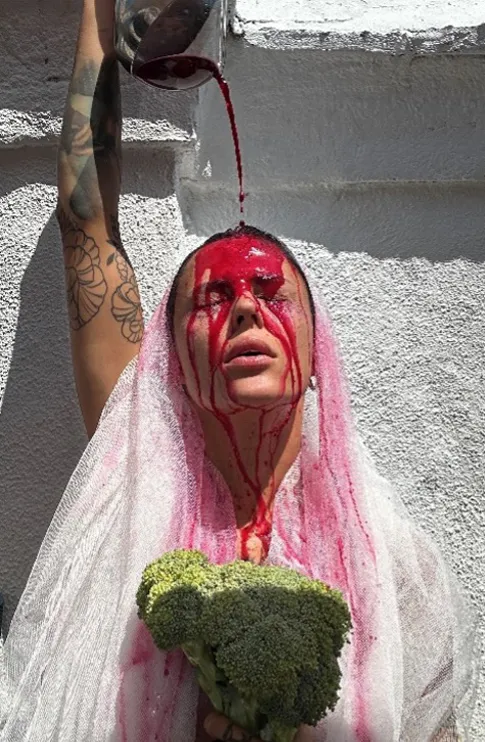
Today’s article is dedicated to the artist HolyKateryna. Born in Odessa, she currently lives and works in Barcelona. We define her style as Neorealism—an approach that returns art to its primary mission: the honest reflection of life. But before we introduce the artist, let’s revisit what Neorealism truly is. Neorealism is not just an artistic movement; it is a challenge to its time. It emerged in Italy in the mid-1940s as a reaction to the devastation and crisis following the war. Artists and filmmakers no longer sought to create illusory worlds—they strove to show life as it actually was: unvarnished, harsh, and raw. Classic examples of Italian cinema from that period include Roberto Rossellini’s "Rome, Open City" (1945) and Vittorio De Sica’s "Bicycle Thieves" (1948). These films were shot on the streets, featuring non-professional actors and simple dialogues—and it was this approach that made them profoundly truthful. Their protagonists were ordinary people whose lives had rarely been the focus of attention before. This was the source of their power. Neorealism also found its expression in painting. Artists moved away from idealization, choosing instead to depict weary faces, working-class neighborhoods, and rural landscapes. The painting became a document of a moment rather than a mere decoration. Art transcended academic tradition, transforming into a testament to real human experience. Today, looking at modern Ukraine, Neorealism resonates with particular intensity. In the context of war and social upheaval, honest art becomes a form of documentary memory and a dialogue with society. It is a tradition that reminds us: the true value of art lies in the courage to look the truth in the eye.